
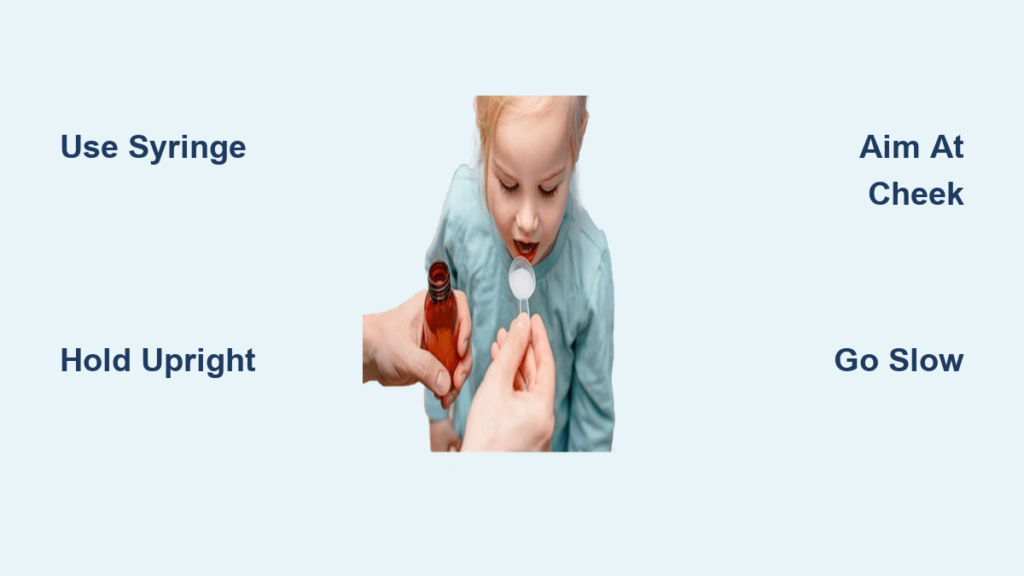
Getting your baby to take medicine can feel like a battle—especially when they cry, turn their head, or spit it out. But you’re not alone. Most parents face this challenge at some point. The key is using safe, effective techniques that reduce stress for both you and your baby. Whether it’s antibiotic drops, fever syrup, or daily vitamin D, knowing how to get baby to take medicine without force or fear makes all the difference. This guide gives you step-by-step strategies backed by pediatric best practices—from proper positioning and dosing tools to taste-masking tricks and behavioral tips. You’ll learn how to administer medicine safely, avoid common mistakes, and even turn the process into a calm routine.
This article covers everything from newborns to toddlers, offering age-specific advice, tools that work, and methods proven in hospitals. You’ll discover how to prevent choking, ensure full dosing, and keep your cool—even when your baby resists. With the right approach, medicine time can become quick, safe, and stress-free.
Use the Right Dosing Tools for Accuracy
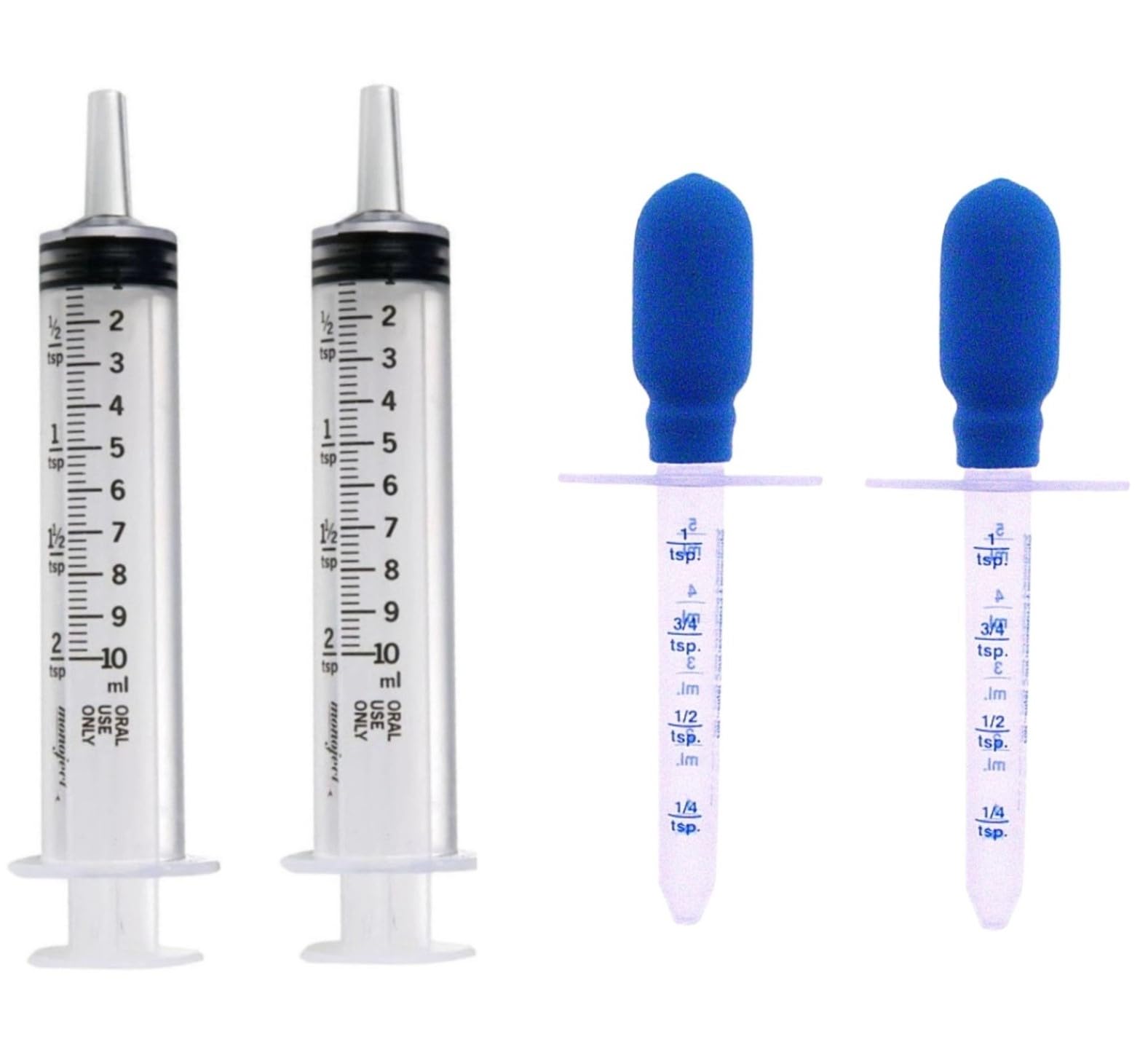
Choose a Plastic Oral Syringe or Dropper
Always use a plastic oral syringe or dropper—never a kitchen spoon. Household spoons vary in size and can lead to dangerous overdosing or underdosing. An oral syringe delivers the exact amount prescribed and gives you better control over where the medicine goes in your baby’s mouth. Most liquid medications come with a dosing syringe—keep it clean and reuse it. If not, buy one at any pharmacy. For newborns and infants, a dropper works well for small doses like vitamin D.
Avoid Inaccurate or Dangerous Dosing Methods
Never use a measuring cup, teaspoon, or tablespoon from your kitchen. These are inaccurate and increase the risk of poisoning. Overfilling a syringe can also cause choking, so draw up only the prescribed dose. Double-check the markings on the syringe against the prescription label each time. Using the wrong tool is one of the leading causes of medication errors in children.
Try a Medicine Pacifier for Natural Sucking
Products like the FridaMed medicine pacifier combine sucking with slow release of medicine. It’s especially helpful for fussy babies or those who resist direct administration. Fill the pacifier with the correct dose, let your baby suck, and the medicine dispenses gradually. This method mimics feeding, which can be calming and more natural for infants.
Position Your Baby Safely and Effectively
Hold Baby Upright at a 45-Degree Angle
Always keep your baby upright at a 45-degree angle, supporting their head and neck. Never give medicine while lying flat—this increases the risk of aspiration (liquid entering the lungs). Use one hand to cradle the baby’s head and shoulders. This position helps swallowing and reduces gagging, especially in newborns.
Keep the Head Neutral—Don’t Tilt Back
Tilting the head backward opens the airway too much and can cause medicine to go down the wrong pipe. Keep the baby’s head in a neutral or slightly forward position. This aligns the throat for safer swallowing and prevents choking.
Keep Baby Upright After Dosing
Hold your baby upright for 1–2 minutes after giving medicine. This prevents spitting up and helps the medicine move down safely. Offer a pacifier, breastfeed, or give a bottle to encourage swallowing and soothe them.
Administer Liquid Medicine Without Choking

Aim for the Cheek Pouch, Not the Throat
Place the tip of the syringe along the inside of the cheek, toward the back but not into the throat. Target the space between the gums and cheek—the buccal pouch. Slowly release small amounts, letting your baby swallow between squirts. This avoids triggering the gag reflex and reduces spitting.
Administer in Small Increments
Give medicine in small amounts, waiting 5–10 seconds between each. Fast squirting overwhelms the baby’s ability to swallow and often leads to coughing or spitting. If using the pacifier method, wait 5–10 seconds between refills to let your baby catch up.
Handle Leaks and Spit-Outs Calmly
If medicine leaks from the mouth, use a clean finger to scoop it up and gently place it back inside. Babies often suck the residue off your finger, ensuring they get the full dose. Stay calm—panicking increases their stress and makes future doses harder.
Use the Pacifier Sucking Method for Smooth Swallowing
Trigger Swallowing With Pacifier Rhythm
Hospital nurses often use this trick:
1. Let your baby start sucking on a clean pacifier.
2. Once sucking rhythm is established, gently remove the pacifier.
3. Place a small amount of medicine into the back corner of the cheek.
4. Immediately reinsert the pacifier.
The sucking motion helps your baby swallow the medicine naturally. Repeat in small doses until the full amount is given. This works best when the baby is drowsy but still responsive.
Chill the Medicine to Reduce Gagging (If Safe)
Chilling the medicine (if safe) can reduce gagging. A cold liquid feels less intense on the tongue. Check the label—some medicines should not be refrigerated. If allowed, store it in the fridge for 15–20 minutes before use.
Make Medicine Taste Better for Picky Babies

Mix With Strong-Sweet Flavors
If the medicine tastes bitter, mix it with a small amount of sweet food that doesn’t require chewing:
• Chocolate syrup
• Pancake syrup
• Strawberry syrup
• Applesauce
• Yogurt
• Kool-Aid powder (unsweetened or low-sugar versions work too)
Use just enough to coat the medicine—about 1–2 teaspoons—so your baby finishes the entire portion and gets the full dose.
Ask for Pharmacy Flavoring to Improve Acceptance
Many pharmacies offer custom flavoring services for liquid medications. A bad-tasting antibiotic can be transformed into bubblegum, grape, or cherry flavor. This simple step can turn refusal into cooperation, especially for toddlers.
Match Medicine to Your Child’s Favorite Flavor
If your child loves a particular flavor, ask the doctor or pharmacist if a flavored version is available. Some brands make the same medication in multiple tastes. A familiar, preferred flavor reduces resistance.
Avoid Force and Reduce Stress During Dosing
Never Squirt Medicine Into the Back of the Throat
Shooting medicine into the back of the throat can cause choking or vomiting. Always aim for the cheek, not the throat. Let your baby swallow at their own pace. This keeps the process safe and prevents negative associations with medicine.
Use Gentle Cheek Pressure—Not Force
The “cheek squeeze” technique—gently pressing the cheeks together—can stimulate swallowing, but do not squeeze too hard. This should be a light, rhythmic pressure, not force. It’s best used in tiny bursts after placing medicine in the cheek.
Stay Calm and Soothing to Reduce Baby’s Anxiety
Babies pick up on your anxiety. Speak softly, maintain eye contact, and stay relaxed. A calm voice and gentle touch help your baby feel safe. Sing a quiet song or offer a favorite toy afterward as comfort.
Use Behavioral Strategies to Encourage Cooperation
Give Older Babies and Toddlers a Sense of Control
Let older babies and toddlers feel involved. Let them:
• Choose between two safe foods to mix the medicine with
• Hold the syringe (with supervision)
• Pick which cheek to use
Giving them a sense of control reduces power struggles.
Turn Medicine Time Into a Game for Toddlers
For toddlers, pretend the medicine is a superhero potion or magic elixir. Use storytelling: “This blue syrup gives you strength to fight the cold monsters!” Apps and gadgets designed for medicine time can also distract and entertain.
Reward Cooperation With Praise or Stickers
Use a sticker chart or small reward for taking medicine. Even verbal praise like “Great job! You’re so brave!” builds positive associations. Celebrate small wins—like taking half the dose without fuss.
Practice Pill Swallowing When Healthy
If your child struggles with pills later, practice swallowing small candies like M&M’s or mini marshmallows when they’re well. Start with ice chips or butter-coated pellets. This builds skill without pressure.
Handle Pills and Capsules Safely for Older Babies

Crush Only Safe Pills—Never Slow-Release or Coated
If your child can’t swallow pills, ask the doctor if the medication can be:
• Split in half
• Crushed and mixed with syrup or applesauce
Never crush:
• Slow-release (extended-release) pills
• Enteric-coated pills (designed to dissolve in the intestine)
When in doubt, check with the pharmacist.
Empty Capsules Into Sweet Foods Safely
Some capsules can be opened, and the powder mixed with food. Make sure your child swallows it without chewing, as chewing can alter how the medicine works. Mix with a sweet, smooth food like yogurt.
Measure Doses Accurately to Avoid Errors
Double-Check Every Dose With the Correct Tool
Always confirm the dose on the prescription label. Use the syringe that comes with the medicine—it’s calibrated for that specific product. Draw up the liquid slowly, with the syringe held at eye level, to avoid errors.
Split Large Doses Into Smaller Amounts
If the volume is too big and causes vomiting, ask the doctor if you can split the dose into smaller amounts given a few minutes apart. This is often safer and better tolerated.
Know When to Call the Doctor
Seek Immediate Help If These Signs Occur
Call your doctor right away if:
• Your baby vomits right after taking medicine
• Shows signs of allergic reaction (rash, swelling, trouble breathing)
• Refuses a critical prescription and no technique works
• Looks or acts very sick
Contact Pediatrician Within 24 Hours If Needed
Reach out within a day if:
• Baby consistently refuses medicine
• You’re unsure about the correct dose or form
• You’ve tried multiple methods without success
Your doctor may switch to a different flavor, form (like a shot or suppository), or brand.
Avoid Common Mistakes Parents Make
Never Mix Medicine With a Full Bottle of Milk
Unless your doctor says it’s safe, don’t mix medicine with a full bottle of breast milk or formula. If your baby doesn’t finish the bottle, they won’t get the full dose. It can also make them refuse feeding later if they associate milk with bad taste.
Don’t Force Unnecessary Over-the-Counter Medicines
Most over-the-counter cold and cough medicines are not recommended for children under 6. Never force medicine that isn’t essential. Focus on comfort, hydration, and rest instead.
Don’t Stop Antibiotics Early
Even if your baby feels better, finish all antibiotics. Stopping early can lead to resistant infections. If taste is the issue, ask for a flavor change or alternative.
Age-Specific Tips for Easier Medicine Time
For Newborns to 12 Months
• Use a dropper or syringe
• Administer in tiny amounts, letting baby swallow between
• Stay upright, avoid lying down
• Offer breastfeeding or pacifier after
• Do not mix with food unless advised
For Toddlers (1–3 Years)
• Use flavoring, rewards, and games
• Let them hold the cup or syringe
• Mix with applesauce or yogurt
• Explain simply: “This helps your body fight the germs”
For Children 6+ Years
• Try chewable tablets (e.g., Mucinex Mighty Chews)
• Practice pill-swallowing skills with candy
• Use straws or thick liquids (smoothies) to help pills go down
Frequently Asked Questions About Giving Baby Medicine
Can I mix my baby’s medicine with food?
Yes, but only with a small amount of food like applesauce, yogurt, or syrup—and only if your doctor approves. Use just enough so your baby eats the entire portion. Never mix with a full bottle of milk or formula unless directed.
What should I do if my baby spits out the medicine?
Use a clean finger to scoop up the leaked medicine and gently place it back in your baby’s mouth. Babies often suck it off your finger. Administer the rest slowly to avoid spitting again.
Is it safe to give medicine while my baby is sleeping?
Only if your baby is in a light sleep and can still swallow. Never force medicine during deep sleep. The pacifier method or cheek dosing works best in drowsy but responsive babies.
Can I crush any pill to mix with food?
No. Never crush slow-release or enteric-coated pills. These are designed to dissolve slowly or in the intestine. Crushing them can be dangerous. Always check with your pharmacist first.
How can I make medicine taste better for my toddler?
Ask your pharmacy for flavoring options like bubblegum or cherry. You can also mix it with chocolate syrup, yogurt, or applesauce. Let your child choose the flavor or food to increase cooperation.
What if my baby vomits right after taking medicine?
Call your pediatrician. If vomiting happens within 15–30 minutes, your baby may need a repeat dose. Do not re-dose without medical advice, as some medicines can be toxic in double amounts.
Key Takeaways for Successfully Giving Baby Medicine
• Always use a plastic oral syringe or dropper—never a kitchen spoon
• Keep baby upright at 45 degrees and head neutral
• Aim medicine at the cheek pouch, not the throat
• Go slowly, in small amounts, with pauses to swallow
• Stay calm—your baby feels your stress
• Mask bad tastes with sweet foods or pharmacy flavoring
• Avoid mixing with full bottles of milk or forcing unnecessary medicine
If your baby consistently refuses, contact your pediatrician. There may be alternative forms—like flavored liquids, chewables, or even shots. With patience, the right tools, and a gentle approach, you can make medicine time safe, effective, and stress-free. You’ve got this—every drop counts.





