
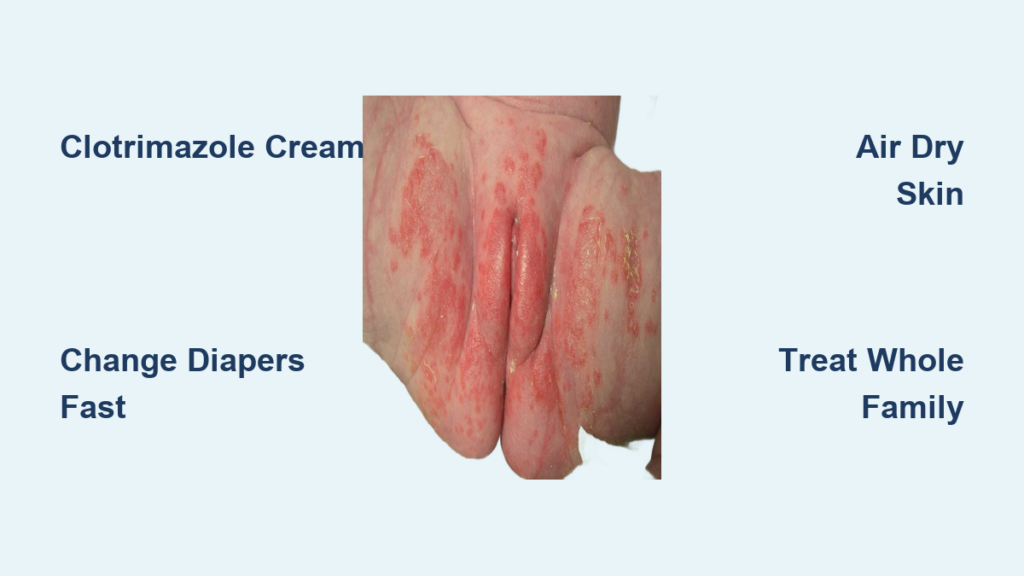
If your baby boy has a bright red, bumpy rash in the diaper area that won’t go away—despite using zinc oxide creams and frequent changes—it might be a yeast infection. Caused by an overgrowth of Candida albicans, this fungal rash thrives in warm, moist environments like the groin and skin folds. Unlike typical diaper rash, it resists standard treatments, spreads into creases, and often comes with small red pimples around the main patch. Left untreated, it can cause pain during diaper changes, open sores, and even interfere with sleep and feeding. The good news? With the right antifungal cream, consistent hygiene, and moisture control, most cases clear up within two weeks.
This guide shows you how to identify a yeast rash, choose effective treatments, apply them correctly, and prevent recurrence. You’ll learn when to see a doctor, how to adjust your routine, and what steps breastfeeding moms can take to support healing. Based on medical guidelines and real parent experiences, this plan helps you tackle yeast infections in baby boys confidently and safely.
Spot the Signs of a Yeast Diaper Rash
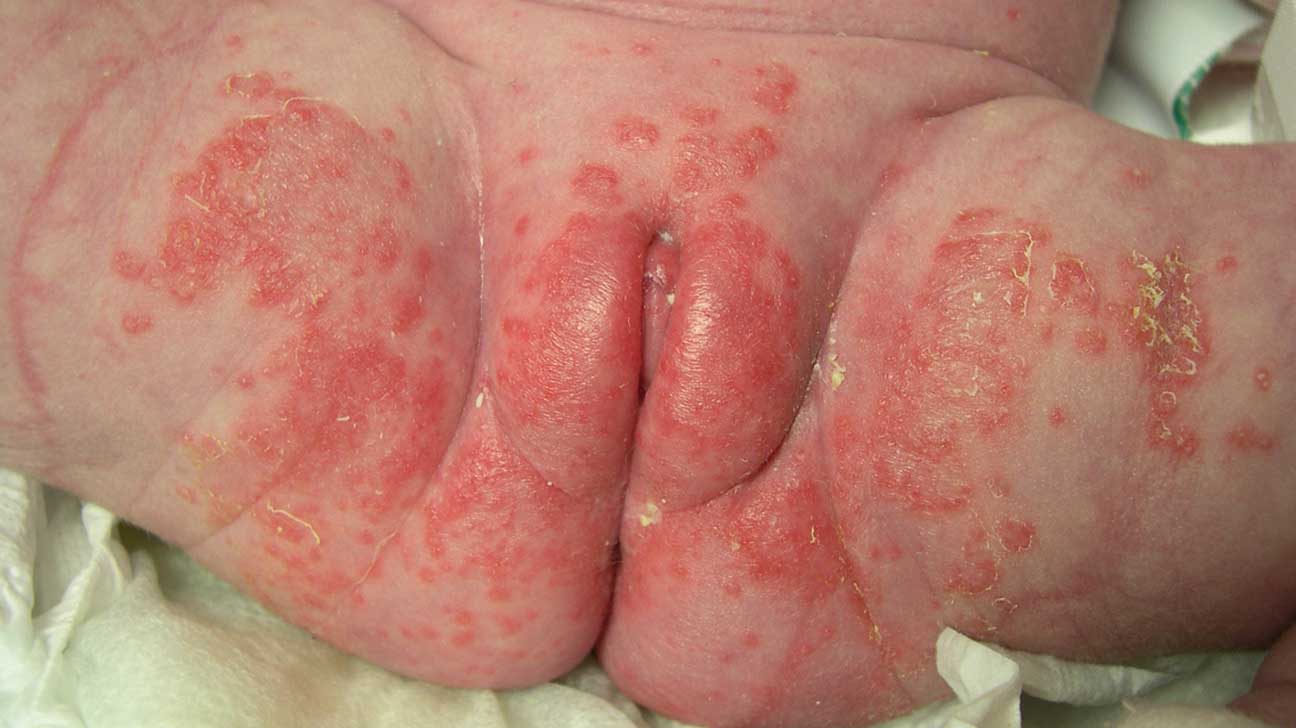
Look for These Visual Clues
A yeast infection in a baby boy appears as a deep red or purple raised patch with tiny red bumps or pimples surrounding it. The rash spreads into skin folds—around the groin, under the scrotum, and up the thighs—areas where moisture gets trapped. The skin may look shiny, cracked, or ooze clear fluid in severe cases. Unlike regular diaper rash, which stays on flat surfaces like the buttocks, yeast thrives in creases. If the rash hasn’t improved after two days of using Desitin or A&D ointment, suspect yeast.
Notice Changes in Your Baby’s Behavior
Babies can’t tell you they’re in pain, but their actions do. A baby with a yeast infection may cry during diaper changes, resist lying on his back, or rub his bottom against surfaces. He might fuss more than usual, have trouble sleeping, or show discomfort while urinating. If he’s also refusing to feed, check inside his mouth for white patches—this could mean oral thrush is present too. These behavioral cues, combined with a stubborn rash, point strongly to a fungal cause.
Tell It Apart From Regular Diaper Rash
Not every red bottom is yeast. A typical diaper rash is light pink to purple, smooth or slightly scaly, and stays on large skin surfaces like the cheeks of the buttocks. It usually improves within 48 hours of frequent changes and barrier creams. In contrast, a yeast rash persists or worsens, appears in multiple small patches, and invades skin folds. If your baby’s rash isn’t responding to routine care, assume it’s fungal and start antifungal treatment—early action prevents complications.
Confirm the Diagnosis With Your Pediatrician
Why You Should See a Doctor First
Even if you suspect yeast, getting a professional diagnosis ensures you’re not mistaking another condition—like psoriasis, bacterial infection, or seborrheic dermatitis—for a fungal rash. Your pediatrician will examine the area, ask about symptoms and recent antibiotic use, and may swab the rash to check for Candida under a microscope. This is especially important if the rash is severe, spreading, or unresponsive to over-the-counter creams.
Know When to Call the Pediatrician
Contact your doctor if:
– The rash shows no improvement after 48 hours of antifungal treatment
– It spreads beyond the diaper area
– Your baby develops fever, pus, or open sores
– There are red streaks radiating from the rash (a sign of systemic infection)
– You notice white patches in the mouth (oral thrush)
Early medical evaluation helps rule out serious conditions and ensures your baby gets the right treatment fast.
Avoid Guessing With Severe Symptoms
While mild cases can be managed at home, do not self-treat if your baby has broken skin, intense pain, or widespread rash. Misdiagnosis can delay healing and lead to secondary infections. If you’re unsure of the cause, see your pediatrician before starting any medication.
Choose the Right Antifungal Treatment
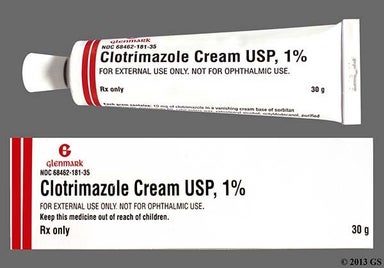
Use Clotrimazole (Lotrimin) for Fast Results
The most effective over-the-counter antifungal for baby boys is clotrimazole 1% cream, commonly sold as Lotrimin. Apply a thin layer to the affected area twice daily after cleaning and drying. Clotrimazole targets Candida directly and is safe for infants when used as directed. Avoid sprays or powders unless recommended by your doctor—they can be hard to control and may irritate sensitive skin.
Try Prescription Creams If OTC Fails
If clotrimazole doesn’t work after 3–5 days, your pediatrician may prescribe nystatin cream or miconazole. Nystatin is effective but often slower—some parents report little improvement after weeks. For stubborn cases, a doctor may recommend a low-dose hydrocortisone cream (1%) combined with antifungal medication to reduce inflammation. Never use steroid creams without medical guidance, especially on infants.
Try a Proven Multi-Layer Treatment Plan
One parent-reported method that cleared a persistent yeast rash in just one week includes:
– Clotrimazole (Lotrimin) – applied twice daily
– Hydrocortisone + Bacitracin – used three times a day to soothe and protect
– Max Strength Desitin – applied at every diaper change as a final barrier
Apply Desitin last to lock in the other treatments and shield the skin from moisture. This combination fights infection, reduces irritation, and creates a waterproof barrier.
Apply Medication the Right Way
Clean Gently Before Each Application
Always wash the area with warm water and a soft cloth before applying cream. Avoid wipes with alcohol, fragrance, or propylene glycol—they sting broken skin. Rinse thoroughly and pat dry (don’t rub). Let the skin air dry for a few minutes to reduce moisture, which yeast loves.
Layer Treatments in the Correct Order
Follow this sequence:
1. Antifungal cream (e.g., clotrimazole)
2. Anti-inflammatory/antibiotic ointment (if prescribed, like hydrocortisone + bacitracin)
3. Thick barrier cream (e.g., Desitin or petroleum jelly)
This ensures the antifungal reaches the skin while the outer layer protects against wetness and friction.
Don’t Over-Clean at the Next Change
At the next diaper change, you don’t need to scrub off all the ointment. Gently wipe away loose debris and reapply fresh layers. Over-cleaning can irritate sensitive skin and slow healing.
Optimize Your Diaper Changing Routine

Change Wet Diapers Immediately
Yeast thrives in warm, wet environments. Change wet or soiled diapers within 15–20 minutes. This reduces skin exposure to urine and stool, both of which feed yeast growth. Set reminders during the day if needed to stay on schedule.
Change Diapers at Night Too
Even if your baby sleeps through the night, change the diaper once during the night if it’s wet or soiled. A long stretch in a damp diaper creates the perfect breeding ground for yeast. Use a super-absorbent nighttime diaper to minimize moisture.
Let Skin Breathe Between Changes
Let your baby go diaper-free for 5–10 minutes between changes. Place him on a clean towel during tummy time or naptime to allow airflow. This simple step dries the skin and disrupts the moist environment yeast needs to survive.
Prevent Reinfection and Recurrence
Wash Hands Before and After Changes
Always wash your hands before and after diaper changes. Yeast can spread from hands to other parts of the baby’s body—or to caregivers. If you’re breastfeeding, this is critical to avoid passing yeast to your nipples.
Stop Using Baby Powder During Healing
Do not use baby powder while the rash is healing. Powder can clump in skin folds and trap moisture, worsening the infection. Also, avoid tight-fitting diapers or plastic pants that reduce airflow.
Treat the Whole Family If Needed
Yeast can be passed back and forth. If you or your partner have symptoms (like jock itch or vaginal yeast infection), get treated simultaneously. Breastfeeding mothers should check for nipple yeast—shiny, cracked nipples that hurt during feeding may indicate infection.
Support Healing From the Inside
Breastfeeding Moms: Adjust Your Diet
If you’re breastfeeding, your diet affects your baby’s gut flora. Reduce sugar intake, including sweet fruits like bananas, mangoes, and pineapples. Sugar feeds yeast. Instead, eat unsweetened yogurt with live cultures and consider taking a probiotic with Saccharomyces boulardii, a strain shown to combat Candida overgrowth.
Give Baby a Safe Probiotic
While research is ongoing, many parents report faster recovery when giving infants infant-safe probiotics. Look for strains like Lactobacillus reuteri or S. boulardii. Always consult your pediatrician before starting supplements.
Consider Formula Sensitivity
If your baby is on formula, consider whether it might be contributing. Some formulas high in sugar or additives may promote yeast growth. Talk to your doctor about switching to a hypoallergenic or low-sugar option if the infection persists.
Watch for Serious Warning Signs
Know When to Seek Emergency Care
Seek immediate medical attention if your baby develops:
– Blisters, open sores, or scabs in the diaper area
– Pus or yellow discharge from the rash
– Red streaks spreading from the rash
– Fever or increased swelling and warmth
These signs suggest a bacterial infection has developed alongside the yeast, requiring antibiotics.
Don’t Delay Care for Severe Pain
If your baby is in constant pain, refuses to urinate, or screams during diaper changes, the skin may be deeply irritated or infected. A doctor can prescribe stronger treatments or rule out other conditions.
Follow Up After the Rash Clears
Even after the rash disappears, finish the full course of antifungal cream. Stopping early can lead to recurrence. Schedule a follow-up if the rash returns within a few weeks—this may indicate an underlying issue like immune imbalance or ongoing exposure.
Maintain Long-Term Prevention
Stick to Gentle Skincare Habits
Use only fragrance-free, alcohol-free wipes or plain water for cleaning. Choose mild, unscented laundry detergents for cloth diapers and baby clothes. Avoid soaps with harsh chemicals that disrupt the skin’s natural barrier.
Change Diapers Proactively
Make frequent changes a habit, even when the rash is gone. Check every two hours during the day and change immediately after bowel movements. This prevents future irritation and keeps the skin healthy.
Keep Skin Folds Dry
After baths, gently dry all creases—under the arms, neck, and groin. Yeast loves hidden, moist areas. Use a soft towel and avoid rubbing.
Limit Antibiotic Use
Antibiotics kill good bacteria that keep yeast in check. Only use them when absolutely necessary, and always pair with probiotics during and after treatment to restore balance.
Frequently Asked Questions About Yeast Infection in Baby Boys
What does a yeast infection look like on a baby boy?
A yeast infection appears as a deep red or purple rash with small red bumps, often spreading into skin folds around the groin, scrotum, and upper thighs. The skin may be shiny, cracked, or ooze clear fluid. It resists regular diaper creams and worsens without antifungal treatment.
How long does it take to get rid of a yeast infection in a baby boy?
Most yeast infections start improving within 3–5 days of antifungal treatment and clear up completely in 1–2 weeks. However, it’s crucial to finish the full course of medication even after the rash disappears to prevent recurrence.
Can breastfeeding moms pass yeast to their baby?
Yes, yeast can pass between mother and baby during breastfeeding. If you have shiny, cracked, or painful nipples, you may have a yeast infection. Treating both you and your baby at the same time prevents reinfection.
Is clotrimazole safe for babies?
Yes, clotrimazole 1% cream (Lotrimin) is safe for infants when used as directed. Apply a thin layer twice daily to the affected area. Avoid using it near the eyes or mouth, and always consult your pediatrician before starting treatment.
Can baby wipes make a yeast infection worse?
Yes, wipes containing alcohol, fragrance, or propylene glycol can irritate broken skin and worsen a yeast rash. Switch to fragrance-free wipes or clean with warm water and a soft cloth until the rash heals.
How can I prevent yeast infections from coming back?
Prevent recurrence by changing diapers frequently, allowing skin to air out, using gentle skincare products, avoiding unnecessary antibiotics, and treating all affected family members. Breastfeeding moms should reduce sugar and take probiotics.
Key Takeaways for Clearing a Baby Boy’s Yeast Infection
Most yeast infections in baby boys clear up within two weeks with the right care. Start by confirming the diagnosis—look for deep red, bumpy rashes in skin folds that resist regular creams. Use clotrimazole (Lotrimin) twice daily, layer with a protective barrier like Desitin, and maintain strict hygiene. Change diapers immediately, allow air exposure, and treat the whole family if needed.
If symptoms don’t improve in 48 hours or worsen, see your pediatrician. Never stop treatment early—even if the rash fades, finish the full course. For long-term prevention, reduce sugar, use probiotics, and avoid moisture-trapping products. With consistent care, you can eliminate the infection and keep it from returning.





