
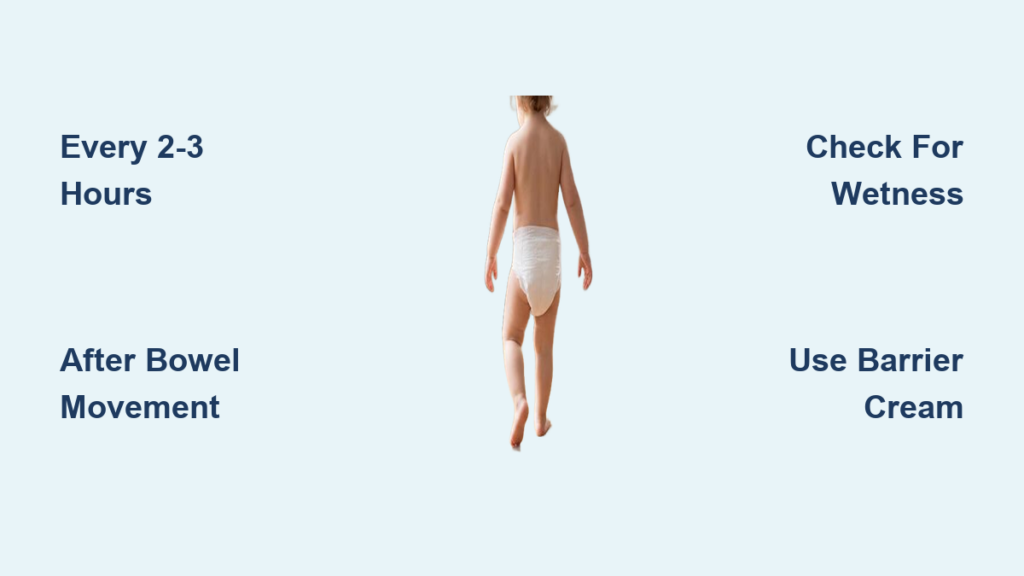
Changing a baby’s diaper is one of the most frequent and essential tasks in early parenting. But many caregivers ask: how often to change baby diaper? While there’s no universal clock, experts agree on a simple rule—change every 2 to 3 hours, or immediately after a bowel movement. Newborns typically need 8 to 12 changes per day, while older infants can go 3 to 4 hours between changes. Keeping your baby clean and dry isn’t just about comfort—it prevents rashes, infections, and skin irritation.
This guide breaks down diaper change frequency by age, signs it’s time for a change, risks of delaying, and best practices. You’ll learn when to change, how to protect delicate skin, and when to seek medical help. Whether you’re a first-time parent or fine-tuning your routine, this guide ensures your baby stays healthy, dry, and comfortable.
Newborn Diaper Change Frequency (0–3 Months)

Change Every 2–3 Hours During the Day
Newborns have small bladders and feed frequently, so they urinate every few hours. To prevent irritation, change your newborn’s diaper every 2 to 3 hours during waking hours. Even a slightly damp diaper can lead to redness, especially in the first few weeks. Going longer than 3 hours increases the risk of diaper rash and discomfort. Stick to this schedule consistently, both day and night, especially if your baby is feeding every 2–3 hours.
Aim for 8–12 Changes Per Day
Most newborns need 8 to 12 diaper changes daily—about 6–10 wet diapers and 3–4 bowel movements. This high frequency confirms your baby is getting enough milk and staying hydrated. If you notice fewer than 6 wet diapers in 24 hours, consult your pediatrician. Low output could signal feeding issues or dehydration, especially in the first week.
Change After Every Feeding
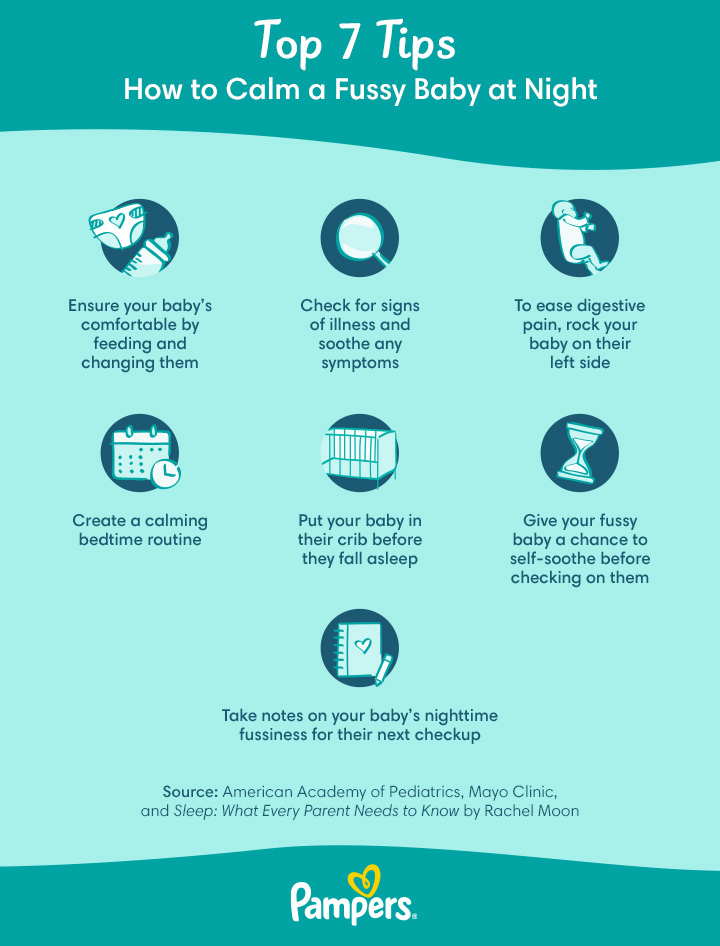
Since newborns feed every 2–3 hours, use each feeding as a diaper check opportunity. This builds a reliable routine and helps you catch soiled diapers early. It also lets you track your baby’s output and recognize normal patterns. Whether breastfeeding or bottle-feeding, always check the diaper before or after feeding to stay ahead of messes and discomfort.
Infant Diaper Schedule (4–12 Months)
Extend to Every 3–4 Hours as Baby Grows
As babies reach 4 months, their bladders develop and they can hold urine longer. Most infants need 6 to 8 changes per day, or roughly every 3 to 4 hours. While they may go longer between urinations, always change immediately after a bowel movement. Stool contains enzymes that break down skin quickly, so prompt cleaning is essential to prevent rashes.
Watch for Behavioral Cues of a Dirty Diaper
Older babies can’t tell you they need a change, but they’ll show signs. Look for:
• Fussiness or crying without an obvious cause
• Squirming or lifting legs repeatedly
• Strong odor when you lean in
• Restlessness during play or feeding
These behaviors often mean the diaper is wet or soiled. Responding quickly keeps your baby comfortable and reduces skin irritation.
Check Diapers After Key Moments
Build diaper checks into your daily routine:
• After feeding
• After waking from naps
• Before bedtime
• After long outings or car rides
These are high-risk times for wetting or soiling. A quick check helps you avoid leaks, rashes, and discomfort.
Nighttime Diaper Management

Don’t Wake Baby for a Wet Diaper
If your baby is sleeping through the night, you don’t need to wake them just because the diaper is wet. Modern diapers are highly absorbent and designed for overnight use. However, always change a soiled diaper, even at night. Stool can cause irritation within minutes, so prompt cleaning is crucial to prevent rashes.
Use Feeding Times as Change Opportunities
If your baby still wakes for night feedings, use those moments to check and change the diaper. This keeps the routine consistent and ensures you’re not leaving a dirty diaper on for hours. A quick touch or sniff can tell you if a change is needed without fully waking your baby.
Choose Overnight Diapers for Longer Protection
For babies who sleep 6+ hours, overnight diapers offer extra absorbency and leak protection. They’re thicker and better at locking away moisture. Just ensure the fit isn’t too tight—snug but not restrictive—to avoid chafing or discomfort.
Signs It’s Time to Change the Diaper
Physical Indicators You Can’t Ignore
You don’t always need to open the diaper to know it’s time. Look for:
• Bulging or sagging—a sign of heaviness
• Visible wetness or stains on clothes
• Red or swollen skin around the diaper area
• Strong odor, especially after a bowel movement
A quick touch can confirm wetness. If the diaper feels damp or lumpy, it’s time to change.
Behavioral Red Flags That Signal Discomfort
Babies show discomfort through behavior. Watch for:
• Fussiness that stops after a change
• Arching the back or lifting legs
• Crying during or after urination
• Refusing to lie flat on the changing table
These behaviors often mean the diaper is causing irritation. Address it promptly to avoid worsening skin issues.
Risks of Delaying Diaper Changes

Diaper Rash Is the Most Common Consequence
Leaving a wet or soiled diaper on too long is the leading cause of diaper rash. Urine and stool create a moist environment that breaks down the skin’s protective barrier. Symptoms include:
• Red, inflamed skin
• Chafing or raw patches
• Increased sensitivity
Even mild rashes can worsen quickly. Change diapers promptly and use barrier cream to prevent this common issue.
Infection Risks from Prolonged Exposure
Prolonged contact with stool increases the risk of:
• Urinary tract infections (UTIs)—especially in girls
• Yeast infections—marked by bright red rash with small red dots around the edges
Always wipe from front to back to reduce bacteria transfer. If you notice fever, pus, or blisters, seek medical help immediately.
Skin Breakdown and Ongoing Discomfort
Babies have extremely sensitive skin. Enzymes in stool begin breaking down skin within minutes. Even a “slightly wet” diaper can cause discomfort over time. Frequent changes keep the skin intact and reduce crying due to irritation.
Best Practices for Diaper Changing
Clean Gently and Wipe Front to Back
Use fragrance-free wipes or a soft cloth with water. For girls, always wipe from front to back to prevent bacteria from entering the urethra. For boys, clean around the genitals and under the scrotum. Avoid harsh scrubbing—gentle strokes are enough.
Apply Barrier Cream at Every Change
Use a zinc oxide-based cream every time you change the diaper, especially if your baby is prone to rashes. This creates a protective layer that blocks moisture and irritants. Apply a thick, even coat—don’t skimp. Reapply with each change for maximum protection.
Allow 2–3 Minutes of Air Time
After cleaning, let your baby’s bottom air out for 2–3 minutes before putting on a new diaper. This helps the skin dry completely and reduces moisture buildup. You can do this during tummy time or while playing on a clean towel. Daily diaper-free time also helps prevent rashes.
Always Use a Clean, Dry Diaper
Never reuse a wet or soiled diaper, even if it looks “not that bad.” Once compromised, it loses absorbency and increases friction. Always use a fresh, dry diaper to ensure comfort and protection.
When to See a Doctor
Persistent Rash or Signs of Infection
If a diaper rash doesn’t improve within 2–3 days of frequent changes and barrier cream, it may need medical treatment. See a doctor if you notice:
• Blisters or open sores
• Pus or oozing
• Fever
• Yeast-like rash (bright red with small red dots around the edges)
These could indicate a bacterial or fungal infection requiring prescription treatment.
Diarrhea Lasting More Than 24 Hours
Frequent, loose stools increase diaper change frequency and skin exposure. If diarrhea lasts more than 24 hours, contact your pediatrician. This can lead to dehydration and severe irritation if not managed.
Customize Your Routine to Your Baby’s Needs
Follow Your Baby’s Individual Cues
While guidelines suggest 2–3 hour changes, every baby is different. Some may tolerate longer intervals; others need more frequent changes. Pay attention to your baby’s skin, behavior, and output. Adjust your routine based on what keeps them comfortable and rash-free.
Adjust for Diet and Health Changes
Starting solids, illness, or teething can affect stool frequency and consistency. Diarrhea or fever may require hourly checks. Be flexible and responsive to your baby’s needs during these times.
Frequently Asked Questions About How Often to Change Baby Diaper
How often should I change my newborn’s diaper?
Change your newborn’s diaper every 2 to 3 hours, or immediately after a bowel movement. Most newborns need 8 to 12 changes per day. Frequent changes help prevent rashes and ensure proper hydration and feeding.
Can I leave a wet diaper on overnight?
Yes, if your baby is sleeping through the night, you can leave a wet diaper on. Modern overnight diapers are designed for extended wear. However, always change a soiled diaper immediately, even at night, to prevent irritation.
What happens if I don’t change the diaper right away?
Delaying a change increases the risk of diaper rash, skin breakdown, and infections like UTIs or yeast. Stool enzymes damage skin quickly, so prompt cleaning is essential for your baby’s comfort and health.
How do I know if the diaper is too full?
Look for bulging, sagging, or visible wetness on clothes. A strong odor or your baby fussing are also signs. If the diaper feels heavy or damp, it’s time to change it.
Should I change the diaper before or after feeding?
Change the diaper before feeding if it’s soiled, to avoid discomfort during feeding. Otherwise, use after-feeding as a routine check. This helps maintain hygiene and prevents leaks during or after meals.
Do I need to use barrier cream every time?
Yes, especially if your baby is prone to rashes. A zinc oxide-based cream at every change creates a protective barrier against moisture and irritants, reducing the risk of redness and chafing.
Key Takeaways for How Often to Change Baby Diaper
To keep your baby healthy and comfortable, change diapers every 2–3 hours for newborns and every 3–4 hours for older infants, always changing immediately after a bowel movement. Watch for physical and behavioral signs, use barrier cream at every change, and allow air time to prevent rashes. Adjust the routine based on your baby’s age, diet, and health. By staying consistent and responsive, you’ll minimize irritation, prevent infections, and keep your baby clean, dry, and happy.





