
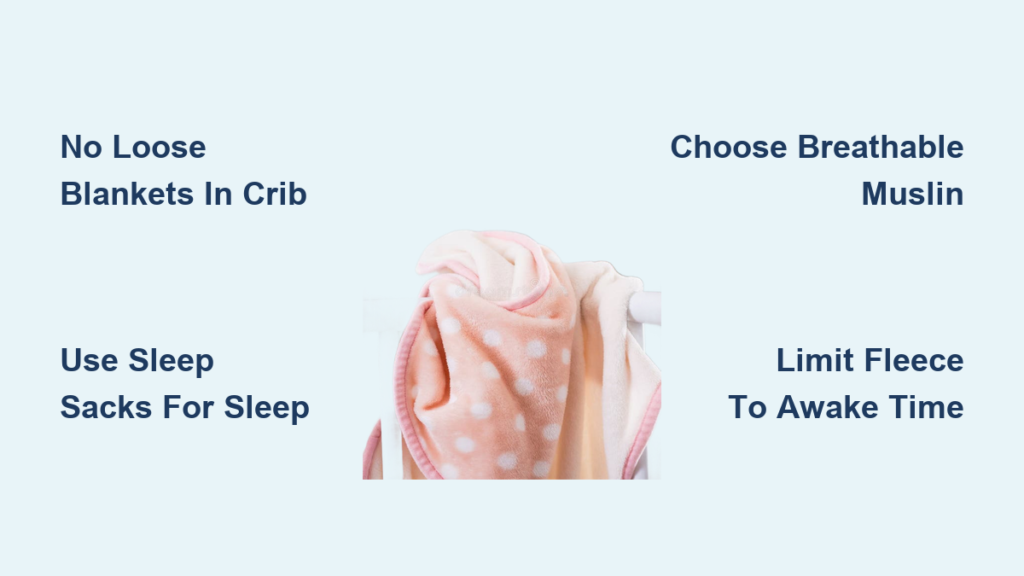
Choosing the right baby blanket is more than a cute accessory—it’s a decision that affects your newborn’s safety, comfort, and daily routine. With so many options, parents often struggle to separate marketing hype from real-world needs. The truth? Not every blanket belongs in your baby’s life, and some can even be dangerous if used incorrectly. According to the American Academy of Pediatrics (AAP), loose blankets should never be placed in a crib for infants under 12 months due to suffocation and SIDS risks. That means your blanket choices must balance safety, function, and practicality—from swaddling and nursing to car rides and tummy time.
This guide breaks down exactly how to choose a baby blanket that’s safe, versatile, and worth your investment. You’ll learn which types to prioritize, how many you really need, and when to switch from traditional blankets to safer alternatives. Whether you’re preparing for your first baby or streamlining your routine, you’ll walk away with a clear plan for building a smart, safe blanket collection.
Pick the Right Blanket Type for Each Need

Not all baby blankets serve the same purpose. Using the wrong type at the wrong time can compromise safety or comfort. Match each blanket to its ideal use case to maximize both.
Use Muslin Swaddle Blankets for Swaddling and Daily Tasks
Muslin swaddle blankets are the most versatile option for newborns. Made from 100% cotton or breathable muslin weave, they’re lightweight, highly breathable, and perfect for swaddling. Their standard size—36″ x 36″ or larger—allows for secure wrapping without restricting movement. These blankets double as nursing covers, burp cloths, stroller shields, and play mats. They’re machine washable and get softer with every wash, making them ideal for daily use—especially in warm weather. Choose solid colors or simple patterns to avoid synthetic dyes and ensure maximum breathability.
Reserve Fleece Blankets for Cold Weather—Not Sleep
Fleece blankets provide excellent warmth during chilly days and are great for car rides, outdoor walks, or tummy time on cold floors. They’re soft, durable, and easy to clean. However, fleece is not safe for sleep. It traps heat and increases the risk of overheating and suffocation when placed in the crib. Use fleece only during supervised awake-time activities. Never leave your baby unattended with a fleece blanket, and avoid versions with ribbons, buttons, or loose stitching that could become choking hazards.
Keep Receiving Blankets for Quick, Practical Uses
Receiving blankets are smaller, often gifted, and surprisingly useful. While too small for secure swaddling, they work well as burp cloths, diaper change covers, or lightweight wraps. Many parents use them as impromptu nursing covers or for quick cleanups. Though less versatile than muslin, they’re a low-cost addition—especially if you receive several as gifts. Just remember: like all loose blankets, they are not safe for unsupervised sleep.
Switch to Sleep Sacks for Safe Overnight Rest
When it comes to sleep, wearable blankets (sleep sacks) are the safest choice. They eliminate loose fabric in the crib while keeping your baby warm. Made from breathable materials like cotton or bamboo, sleep sacks come in various tog ratings to match seasonal temperatures. They’re especially important once your baby starts rolling, as swaddling becomes unsafe. Start with 2–3 in different weights so you can layer appropriately without adding blankets. This is the best way to follow AAP safe sleep guidelines.
Know How Many Blankets You Actually Need
Having too few can leave you scrambling during messes, but more isn’t always better. A balanced approach keeps you prepared without clutter.
Stock 8–10 Muslin Swaddle Blankets
Most experts and experienced parents recommend 8–10 muslin swaddle blankets. Why so many? Babies spit up, drool, and soil blankets constantly. With a solid rotation, you’ll always have clean ones available. Their versatility means they’ll be used for swaddling, nursing, tummy time, and even as a lovey later on. If you’re minimalist, start with 5 and add more as needed. But for peace of mind, go for the full set.
Add Just 1–2 Warm Blankets for Cold Weather
You don’t need a closet full of thick blankets. Just 1–2 fleece or heavier-weight blankets are enough for colder days. Use them only during supervised activities like car rides or outdoor strolls. Store them separately from sleep zones to prevent accidental misuse. These aren’t for daily rotation but for situational warmth—so quality matters more than quantity.
Mix Sizes and Weights for Year-Round Flexibility
Having a mix of light, medium, and wearable options gives you adaptability. Pair thin muslin blankets with sleep sacks in winter for layering, or use them alone in summer. Avoid bulky quilts or weighted blankets—they’re unsafe for infants. This layered approach lets you adjust to changing temperatures without compromising safety.
Match Blankets to Real-Life Activities
Understanding when and how to use each type ensures both safety and functionality.
Swaddle for Calm and Better Sleep
If your baby enjoys being swaddled, muslin blankets are essential. A snug swaddle mimics the womb, calming fussy newborns and helping them sleep longer. Ensure the wrap is firm but not tight, with hips free to move. Stop swaddling once your baby shows signs of rolling—usually around 2–4 months. Never use a swaddle blanket inside a sleep sack or with loose fabric over the face.
Cover Safely During Car Rides
Babies can get cold in cars, especially in winter. Use a fleece or muslin blanket to cover your baby over the car seat harness—never underneath. Placing fabric under the straps reduces their effectiveness in a crash. Drape the blanket loosely over the chest and legs, and check regularly for overheating. Remove it as soon as you arrive.
Make Tummy Time More Comfortable
A soft blanket makes tummy time more enjoyable. Use a muslin or fleece mat on the floor to create a cozy surface. Just make sure your baby is awake, alert, and supervised at all times. Avoid plush or puffy blankets that could obstruct breathing if your baby turns their head.
Use Muslin as a Nursing Cover
Many parents appreciate privacy during public nursing. A large muslin blanket doubles as a lightweight, breathable nursing cover. Unlike enclosed nursing tents, muslin allows airflow while providing modesty. It’s easy to stash in a diaper bag and doubles as a burp cloth afterward.
Follow Critical Safety Rules for Infant Use
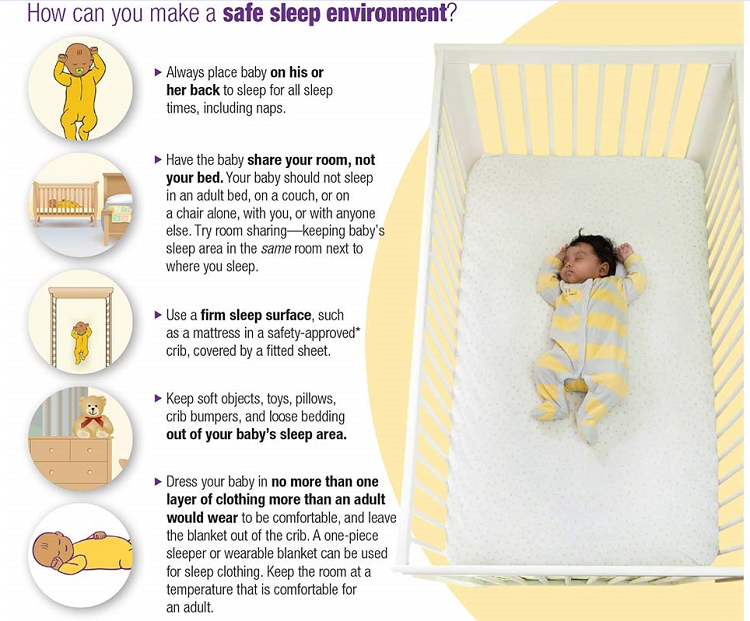
Infant safety should always come before convenience or aesthetics.
Never Use Loose Blankets in the Crib
The AAP is clear: no loose bedding for babies under 12 months. Blankets in the crib increase the risk of SIDS and suffocation. Even if your baby seems cold, resist the urge to add a blanket. Instead, dress them in a properly sized sleep sack or add layers of clothing. Keep the crib bare—just a fitted sheet and your baby.
Prevent Overheating with Breathable Fabrics
Babies can’t regulate body temperature well. Signs of overheating include sweating, damp hair, flushed cheeks, or rapid breathing. Fleece and synthetic fabrics trap heat, making them risky—even outside the crib. Stick to breathable cotton or bamboo for any fabric near your baby’s face. In warm rooms, use only a lightweight muslin.
Check for Choking Hazards Regularly
Inspect all blankets for loose threads, buttons, ribbons, or decorative elements. These can come loose and pose choking hazards. Stick to simple, seamless designs—especially for items used during sleep or close contact. If a blanket starts fraying, retire it immediately.
Prioritize Key Factors When Shopping
When choosing a baby blanket, focus on what truly matters—not just what looks cute.
Safety Is the Top Priority
Always ask: Is this safe for my baby right now? A blanket may be soft and beautiful, but if it’s made of synthetic material or has loose parts, it’s not worth the risk. Choose products that meet current safety standards and avoid anything marketed as a “weighted” or “luxury” blanket for infants.
Choose Natural, Breathable Fabrics
Opt for 100% cotton, muslin, or bamboo. These materials allow air circulation, wick moisture, and are gentle on sensitive newborn skin. Avoid polyester blends when breathability is crucial—especially for swaddling or sleep sacks. Organic cotton is ideal if you want to minimize chemical exposure.
Size Matters for Effective Swaddling
For successful swaddling, go big. Blankets should be at least 36 inches square to allow for secure wrapping. Smaller receiving blankets often fall apart during use. Larger muslin squares (up to 47″) give you room to adjust as your baby grows or as you refine your swaddling technique.
Plan for Long-Term Use and Transition
Your baby’s blanket needs evolve quickly—plan ahead to get the most value.
Transition Around 3–6 Months
Between 3 and 6 months, most babies outgrow swaddling and begin rolling. This is the time to phase out loose blankets and rely more on sleep sacks. Continue using muslin blankets for play, nursing, and travel. Some babies develop an emotional attachment to a favorite blanket, turning it into a “lovey” for comfort.
Repurpose Old Muslin Blankets
Even when they’re no longer used for swaddling, old muslin blankets live on. Cut them into smaller pieces for burp cloths, cleaning rags, or car seat liners. Some parents keep one special blanket for sentimental reasons—perhaps to pass down or display.
Preserve Sentimental Keepsakes
Certain blankets take on emotional significance. Maybe it was a gift from a grandparent or the one your baby always reached for. Wash these gently and store them properly. Over time, they become cherished mementos of early childhood.
Compare Top Blanket Types at a Glance

Not sure which blanket does what? Use this quick reference:
| Feature | Muslin Swaddle | Fleece | Receiving | Sleep Sack |
|---|---|---|---|---|
| Safe for Sleep | ❌ (loose) | ❌ | ❌ | ✅ |
| Best For | Swaddling, nursing, play | Cold weather, car rides | Burping, gifting | Overnight sleep |
| Breathability | High | Low | Medium | High |
| Warmth Level | Light | High | Light | Adjustable |
| Washable | Yes | Yes | Yes | Yes |
| Durability | High | High | Medium | High |
Use this chart to guide purchases based on your climate, lifestyle, and baby’s habits.
Maximize Practicality and Value Over Time
Smart blanket use goes beyond buying the right type—it’s about how you use and maintain them.
Keep Blankets Where You Need Them
Store blankets where they’re used most: one in the diaper bag, one in the car, a few near feeding spots. This prevents last-minute scrambles during feedings, outings, or messy blowouts. A basket in the living room or nursery makes grabbing one easy.
Rotate and Wash Regularly
With 8–10 muslin blankets, rotate them through the laundry every few days. Wash in mild, fragrance-free detergent to protect delicate skin. Air drying preserves fabric integrity, though machine drying on low is usually fine. Avoid fabric softeners—they reduce absorbency and can irritate skin.
Adjust for Climate and Season
In hot weather, stick to single-layer muslin. In winter, layer a sleep sack with a long-sleeve onesie instead of adding loose blankets. Parents in colder regions might use fleece during outdoor excursions but switch to cotton indoors. Always monitor your baby’s temperature—warm hands and a warm chest mean they’re dressed right.
Frequently Asked Questions About Baby Blankets
Can I use a blanket in the crib for my newborn?
No. The American Academy of Pediatrics advises against loose blankets in the crib for infants under 12 months due to suffocation and SIDS risks. Use a sleep sack instead to keep your baby warm and safe.
How many baby blankets do I really need?
Most parents benefit from 8–10 muslin swaddle blankets for daily use and 1–2 fleece blankets for cold-weather awake-time use. This balance ensures you’re prepared without excess clutter.
When should I stop swaddling my baby?
Stop swaddling when your baby shows signs of rolling over—usually between 2 and 4 months. Once they can roll, swaddling increases the risk of suffocation.
Are fleece blankets safe for babies?
Fleece is safe for supervised awake-time use, such as car rides or outdoor walks. However, it’s not safe for sleep because it traps heat and increases the risk of overheating.
What’s the safest alternative to a crib blanket?
A wearable blanket or sleep sack is the safest alternative. Made from breathable materials like cotton or bamboo, it keeps your baby warm without loose fabric in the crib.
Can a baby blanket become a lovey?
Yes. Around 6–12 months, some babies form attachments to soft blankets, turning them into comfort objects or “lovies.” Introduce one only after 12 months if following strict safe sleep guidelines.
Key Takeaways for Choosing the Best Baby Blanket
To build a safe, practical blanket collection:
• Start with 8–10 100% cotton muslin swaddle blankets for versatility
• Add 1–2 fleece blankets for cold-weather use during awake time
• Replace crib blankets with 2–3 sleep sacks in different tog weights
• Follow AAP safety rules: no loose bedding under age 1
• Prioritize breathable materials, simple designs, and multi-use function
By focusing on safety, adaptability, and real-world needs, you’ll create a blanket setup that supports your baby’s comfort and development—without compromising their well-being.





