
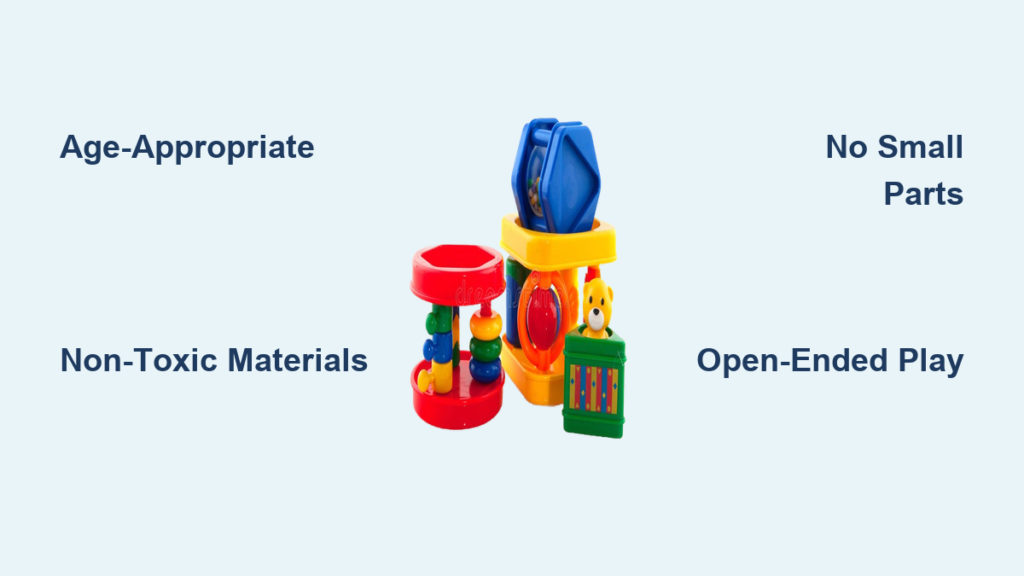
Choosing baby toys can feel overwhelming. With bright packaging, bold claims like “brain-boosting” or “developmentally advanced,” and endless options online, it’s easy to wonder: Which toys are actually good for my baby? The truth is, the best baby toys aren’t the flashiest—they’re the ones that are safe, age-appropriate, and spark real engagement.
Your baby’s toys play a crucial role in shaping early development—helping build motor skills, boost sensory awareness, and lay the foundation for language and problem-solving. But a toy meant for a 2-year-old could be dangerous for a 6-month-old. That’s why understanding your baby’s stage of growth is just as important as checking for safety labels.
This guide cuts through the marketing noise and gives you a clear, step-by-step approach to choosing baby toys that support healthy development—without overspending or overstimulating. You’ll learn what to look for by age, how to spot safety red flags, and why simple toys often work best. Whether you’re shopping for a newborn or a busy toddler, this is your go-to resource for smarter, safer toy choices.
Match Toys to Your Baby’s Developmental Stage
0–3 Months: Stimulate Senses Without Overloading
Newborns are just beginning to make sense of the world. Their vision is limited to about 8–12 inches, and they respond best to high-contrast patterns and gentle sounds. At this stage, your baby needs calm, comforting stimulation—not flashing lights or loud music.
Best toy choices:
• Soft rattles with easy-to-grip handles
• Sensory blankets with different textures
• Plush lovey toys (no detachable parts)
• High-contrast fabric books or crib mobiles
What to avoid: Electronic toys with flashing lights or sudden noises. These can overwhelm a newborn’s developing nervous system.
Pro tip: Place toys within your baby’s clearest line of sight. If they stare, coo, or smile, you’ve found a winner.
3–6 Months: Encourage Reaching, Grasping, and Mouthing
This is when babies start to discover their hands. They’ll reach for objects, bat at hanging toys, and put everything in their mouth. This stage is all about hand-eye coordination and sensory exploration.
Best toy choices:
• Crinkle toys or soft squeaky animals
• Teething rings with bumpy or ridged surfaces
• Activity gyms with dangling toys they can swat
• Rattles with textured, grippy handles
Why it works: These toys teach cause and effect—like realizing their movement makes a sound.
Common mistake: Choosing toys that are too heavy. Babies need lightweight items they can control on their own.
6–12 Months: Support Crawling, Sitting, and Discovery
Now your baby is mobile—rolling, sitting, crawling, or even pulling up. They’re curious about how things work and love to explore through touch and movement.
Best toy choices:
• Push toys like walkers or rolling animals
• Stacking rings or soft cups
• Activity centers with buttons, levers, or spinners
• Soft balls in various sizes and textures
Why stacking rings matter: They help develop fine motor control, size recognition, and problem-solving. Plus, knocking them over is half the fun.
Safety note: Make sure push toys are stable and won’t tip. Avoid models with small wheels that can break off and become choking hazards.
12–18 Months: Encourage Pretend Play and Independence
Toddlers are starting to mimic adult behavior—feeding a doll, “cleaning” with a toy broom, or “talking” on a play phone. This is the beginning of imaginative play, and toys that reflect real-life activities are a hit.
Best toy choices:
• Role-play sets (toy kitchen, cleaning tools, doctor kits)
• Ride-on toys (no pedals, for balance practice)
• Large building blocks or foam interlocking pieces
• Shape sorters or simple puzzles
Why pretend play matters: It builds language, emotional understanding, and social skills—even when playing alone.
Parent tip: Rotate toys every week. Toddlers lose interest fast if everything is always available.
18–24 Months: Boost Language and Creative Thinking
Language explodes during this phase. Toddlers start naming objects, following simple directions, and using words to express needs. Toys that encourage talking, storytelling, and creativity support this growth.
Best toy choices:
• Talking dolls or toy phones that respond to voice
• Musical instruments like drums, shakers, or xylophones
• Sound books with animal noises or songs
• Plush animals for storytelling and role-play
Pro tip: Play with your child. Ask, “What sound does the cow make?” or “Where’s the red block?” to grow their vocabulary.
Avoid: Overly electronic toys that do all the talking. You want your child to speak—not just listen.
2–3 Years: Challenge Imagination and Problem-Solving
Toddlers now think in stories. They’ll create entire scenes—cooking dinner for stuffed animals, building a castle, or “driving” to the store. This is peak imaginative and cognitive play.
Best toy choices:
• Puzzles with 4–12 large pieces
• Building sets like Duplo or wooden blocks
• Pretend playsets: tool benches, grocery stores, dollhouses
• Art supplies: washable crayons, finger paints, coloring books
• Outdoor toys: tricycles, sandboxes, ride-ons
Why open-ended toys win: A box of blocks can become a bridge, a spaceship, or a house. No single “right” way to play means endless creativity.
Time investment: Expect 10–20 minutes of deep focus. If your child walks away in seconds, the toy may be too hard—or too boring.
Prioritize Safety in Every Toy Choice
Prevent Choking With Size Checks
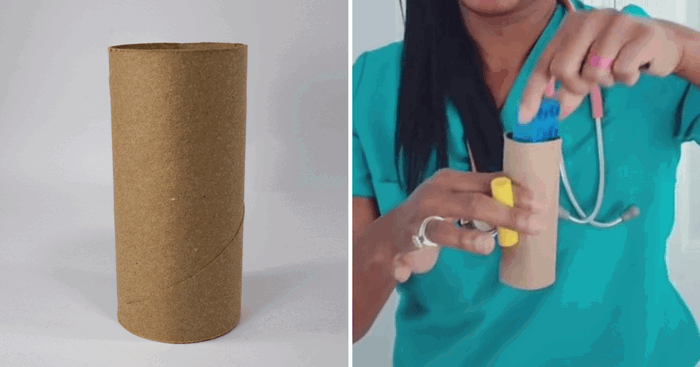
The biggest risk for babies under 3 is choking on small parts. Always follow this rule: If it fits in a toilet paper roll, it’s too small.
Safety checklist:
• No removable eyes, buttons, or small accessories
• No marbles, beads, or loose pieces
• Avoid toys with button batteries—they’re toxic if swallowed
Quick test: Use a choking hazard tester or a toilet paper tube. If any part fits inside, it’s unsafe for kids under 3.
Choose Non-Toxic, Chew-Safe Materials
Babies mouth everything. That’s why non-toxic materials are essential.
Look for:
• BPA-free, phthalate-free, lead-free labels
• ASTM F963 (U.S. standard) or CE/EN71 (European standards)
• Natural materials like solid wood, organic cotton, or food-grade silicone
Red flags: Strong chemical smells, flaky paint, or brittle plastic. These suggest low-quality, unsafe materials.
Pro tip: Wooden toys are often safer and longer-lasting—but make sure they’re sealed with non-toxic finishes.
Eliminate Strangulation and Sharp Edge Risks
Even safe-looking toys can have hidden dangers.
What to watch for:
• Strings, ribbons, or cords longer than 12 inches
• Sharp corners or rough edges (common in cheap wooden toys)
• Loose mirrors, buttons, or fastenings that can pop off
Battery safety: The battery compartment must be screw-secured. Kids have opened cases with their teeth—leading to serious injuries.
Quick fix: Use clear nail polish to seal rough spots on wooden toys (temporary until you can sand or replace).
Inspect and Supervise Regularly
Even safe toys become dangerous over time.
Do this weekly:
• Check for cracks, broken pieces, or loose parts
• Look for signs of chewing that could lead to splinters
• Replace any toy showing wear and tear
Always supervise babies and toddlers during play—especially with new or complex toys.
Bonus step: Before buying, check for recalls on the U.S. Consumer Product Safety Commission (CPSC) website. It takes 30 seconds and could prevent a trip to the ER.
See Through the Marketing Hype
Ignore “Educational” Buzzwords
Phrases like “brain-boosting,” “STEM-ready,” or “pediatrician-approved” are often marketing tactics, not proof of quality.
Ask yourself:
• Does this toy encourage real interaction?
• Can my child use it in more than one way?
• Does it require my involvement, or is it just flashy noise?
Reality check: A $40 electronic shape sorter with lights and sounds isn’t better than a $12 wooden one—unless your child actually engages more with it.
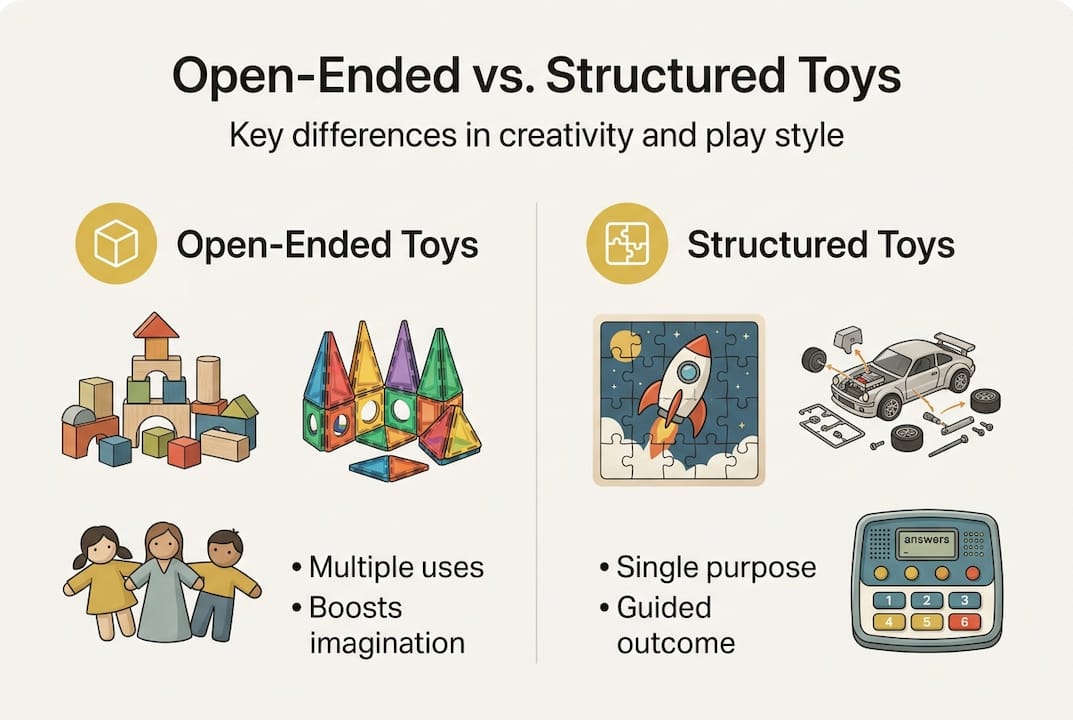
Choose Open-Ended Over One-Function Toys
Open-ended toys have no single purpose. They grow with your child and support long-term learning.
Examples:
• Wooden blocks (stacked, sorted, or used in stories)
• Playdough (sculpting, cutting, squishing)
• Fabric playsets (dolls or animals for storytelling)
Why they work: They don’t dictate play. Your child decides what the block “is”—a phone, a sandwich, or a spaceship.
Avoid: Toys that do everything for your child—like tablets or electronic learning centers. These often lead to passive, screen-like behavior.
Prevent Overstimulation
Babies don’t need constant noise and flashing lights. In fact, overstimulation can cause fussiness, poor sleep, and short attention spans.
Signs of overstimulation:
• Looking away during play
• Crying or arching back
• Losing interest quickly
Better approach: Choose toys with calm, interactive features—like a soft plush that plays a lullaby when squeezed, or a mirror for self-exploration.
Pro tip: Rotate toys every 1–2 weeks. Fewer choices = deeper focus and more creative play.
Trust Your Parent Instinct
You know your baby best. If a toy seems too loud, too flashy, or too complicated, it probably is.
Ask:
• Does my baby reach for it?
• Do they explore it with their hands, mouth, or voice?
• Do they come back to it the next day?
The best toy is the one your baby loves—not the one with the best ad campaign.
Use the Ultimate Baby Toy Checklist

Safety First: Quick Scan Before Buying
✅ Age-appropriate (check label)
✅ Larger than a toilet paper roll
✅ No small, detachable parts
✅ Non-toxic materials (BPA-free, phthalate-free)
✅ Safety certified (ASTM F963, CE, or EN71)
✅ No sharp edges or points
✅ Secure battery compartment (if applicable)
✅ No strings longer than 12 inches
✅ Durable and chew-proof
✅ No recalls (check CPSC)
Developmental Fit: Right Toy, Right Age
| Age | Best Toy Types |
|---|---|
| 0–3 mo | Soft rattles, sensory blankets, high-contrast books |
| 3–6 mo | Crinkle toys, teething rings, activity gyms |
| 6–12 mo | Push toys, stacking rings, soft balls |
| 12–18 mo | Role-play sets, ride-ons, large blocks |
| 18–24 mo | Puzzles, musical toys, sound books |
| 2–3 yr | Building sets, art supplies, pretend playkits |
Quality Signs: What Makes a Toy Worth It
✔️ Open-ended use (can be played with in multiple ways)
✔️ Encourages parent-child interaction
✔️ Simple, not overstimulating
✔️ Positive real parent reviews (not just brand claims)
✔️ Baby returns to it again and again
Key Takeaways for Choosing the Best Baby Toys
The best baby toys are safe, age-appropriate, and spark real engagement—not flashy features. Focus on toys that match your baby’s current stage, support motor and language development, and encourage interaction. Avoid overstimulating electronics and marketing hype. Instead, choose simple, durable toys made from non-toxic materials.
Always check for recalls, inspect toys weekly, and supervise playtime. Rotate toys to keep interest high and reduce clutter. Most importantly, trust your instincts. If your baby reaches for it, plays with it, and comes back to it, you’ve found a winner.
Start with a few high-quality toys and build from there. The goal isn’t to fill a room—it’s to create a safe, engaging space where your baby can explore, learn, and grow.
Frequently Asked Questions About Choosing Baby Toys
What are the safest toys for a 6-month-old?
Look for soft, lightweight toys like crinkle books, teething rings, and activity gyms. Ensure they have no small parts, are larger than a toilet paper roll, and are made from non-toxic materials. Avoid toys with loose buttons or strings.
Are wooden toys better than plastic?
Wooden toys are often more durable and less likely to contain harmful chemicals—but only if finished with non-toxic sealants. Both wood and plastic can be safe if they meet ASTM F963 or EN71 standards.
How do I know if a toy is age-appropriate?
Check the manufacturer’s age label and match it to your baby’s skills. A toy is too advanced if your baby ignores it or can’t use it safely. When in doubt, choose simpler over complex.
Can toys really boost brain development?
Yes—but not the flashy ones. Toys that encourage exploration, problem-solving, and interaction (like blocks or sound books) support cognitive growth more than passive electronic toys.
How many toys should a baby have?
Fewer is better. 5–10 well-chosen toys rotated every 1–2 weeks keep babies engaged without causing overstimulation. Too many toys can reduce focus and creativity.
What should I do if I find a recalled toy?
Stop using it immediately. Visit the CPSC website for recall details and instructions. Most companies offer refunds or replacements for recalled products.





