
Every parent watches eagerly for the first signs of movement—when will your baby go from lying still to exploring the world on their own? How to get baby to crawl is a common question among caregivers, especially between 6 and 10 months, when most infants begin showing interest in mobility. While crawling isn’t required for healthy development—many babies skip it entirely—it plays a valuable role in building strength, coordination, and brain connections. The good news? You don’t need special tools or training. With simple daily practices like tummy time, smart toy placement, and a safe space to explore, you can gently encourage your baby’s natural drive to move.
This guide walks you through proven, pediatrician-backed strategies that support crawling development—without pressure or frustration. You’ll learn how to recognize early signs of readiness, adapt to your baby’s unique style (whether they army crawl, bum shuffle, or bear crawl), and know when to seek support. Most importantly, you’ll discover how to make movement fun, motivating, and part of everyday play.
Recognize Early Signs Your Baby Is Ready to Crawl
Rocking on Hands and Knees
One of the clearest signs your baby is preparing to crawl is rocking back and forth on hands and knees. This motion builds coordination and strengthens the muscles needed for forward movement. If your baby can hold this position, even briefly, they’re likely close to crawling. Encourage the motion by placing a favorite toy just ahead and gently moving it to draw their attention forward.
Pushing Up During Tummy Time
When your baby starts lifting their chest off the floor with arms straight and hands under shoulders, they’re building essential upper body strength. This “baby push-up” is a foundational skill for crawling. If they can hold this position for several seconds, they’re on track. Support progress by using a rolled towel under their chest early on.
Reaching, Twisting, and Scooting
Babies often begin by pivoting in circles, reaching for toys, or scooting backward before moving forward. These movements develop weight shifting and balance—key components of crawling. A toy placed at a 45-degree angle from their body encourages twisting, which helps prepare for coordinated arm-leg movement.
Support All Crawling Styles—Not Just the Classic Kind
Why Babies Develop Different Crawling Methods
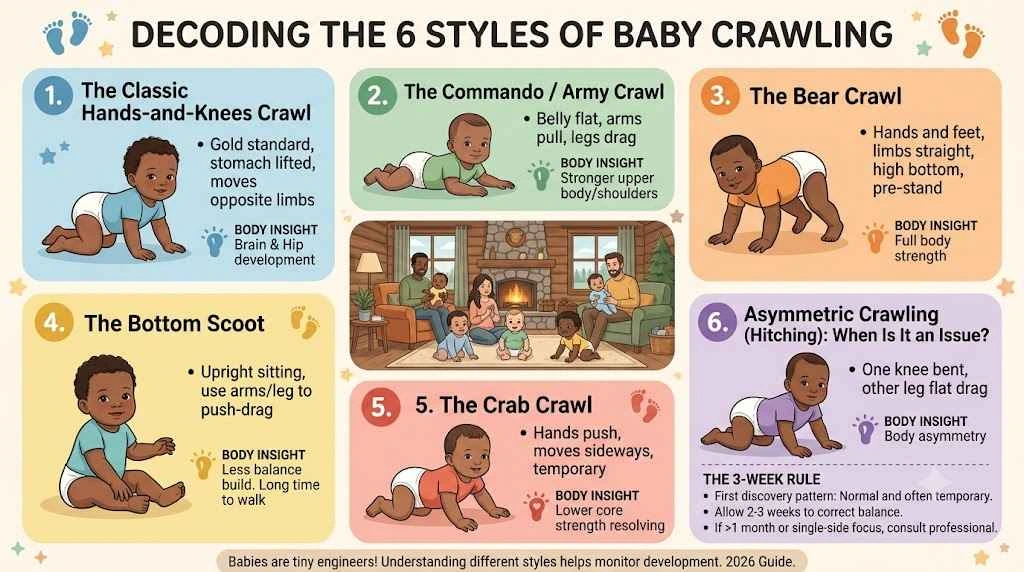
Not all babies crawl the same way, and that’s completely normal. Your baby’s preferred method depends on their strength, comfort, and temperament. Some start with classic hands-and-knees crawling, while others use belly crawling, bum shuffling, or even rolling. Letting your baby explore different styles supports confidence and motor development.
Classic Hands-and-Knees Crawling
This involves moving the opposite arm and leg together (right arm with left knee), known as cross-crawling. It strengthens bilateral coordination and supports brain development. Encourage it by helping your baby rock forward during tummy time and placing toys just out of reach.
Bear Crawling: On Hands and Feet
In bear crawling, your baby walks on hands and feet with arms and legs straight, lifting their body higher. This builds strong shoulders and core. It’s common in babies who enjoy being upright. Support it by placing toys ahead and creating low tunnels to make movement fun.
Belly Crawling (Army or Commando Crawl)
Belly crawling involves pulling forward on the tummy using arms, with little leg use. It’s a normal variation and often seen in babies building upper body strength. Some continue this style until walking. Encourage leg engagement by gently lifting hips to simulate a hands-and-knees position.
Bum Shuffling: Sitting and Scooting
Bum shuffling happens when your baby sits upright and pushes with their legs to move. It’s especially common in babies who disliked tummy time. While effective, it places more strain on hips and knees. To encourage crawling, create low tunnels or use pillows to motivate hands-and-knees movement.
Crab Crawling and Rolling
Crab crawling occurs when your baby moves from a sitting position with one leg bent and the other extended. Rolling is another efficient method—some babies roll across rooms instead of crawling. Both are normal, but supervise closely to prevent falls from elevated surfaces.
Build Core Strength with Daily Tummy Time
Start Tummy Time Early and Often
Begin tummy time in the first few weeks—even just 2–3 minutes at a time, several times a day. Place your baby on a soft blanket or play mat. Use your voice, a mirror, or a toy to keep them engaged. Gradually increase duration as your baby gains strength and tolerance.
Use a Rolled Towel for Chest Support
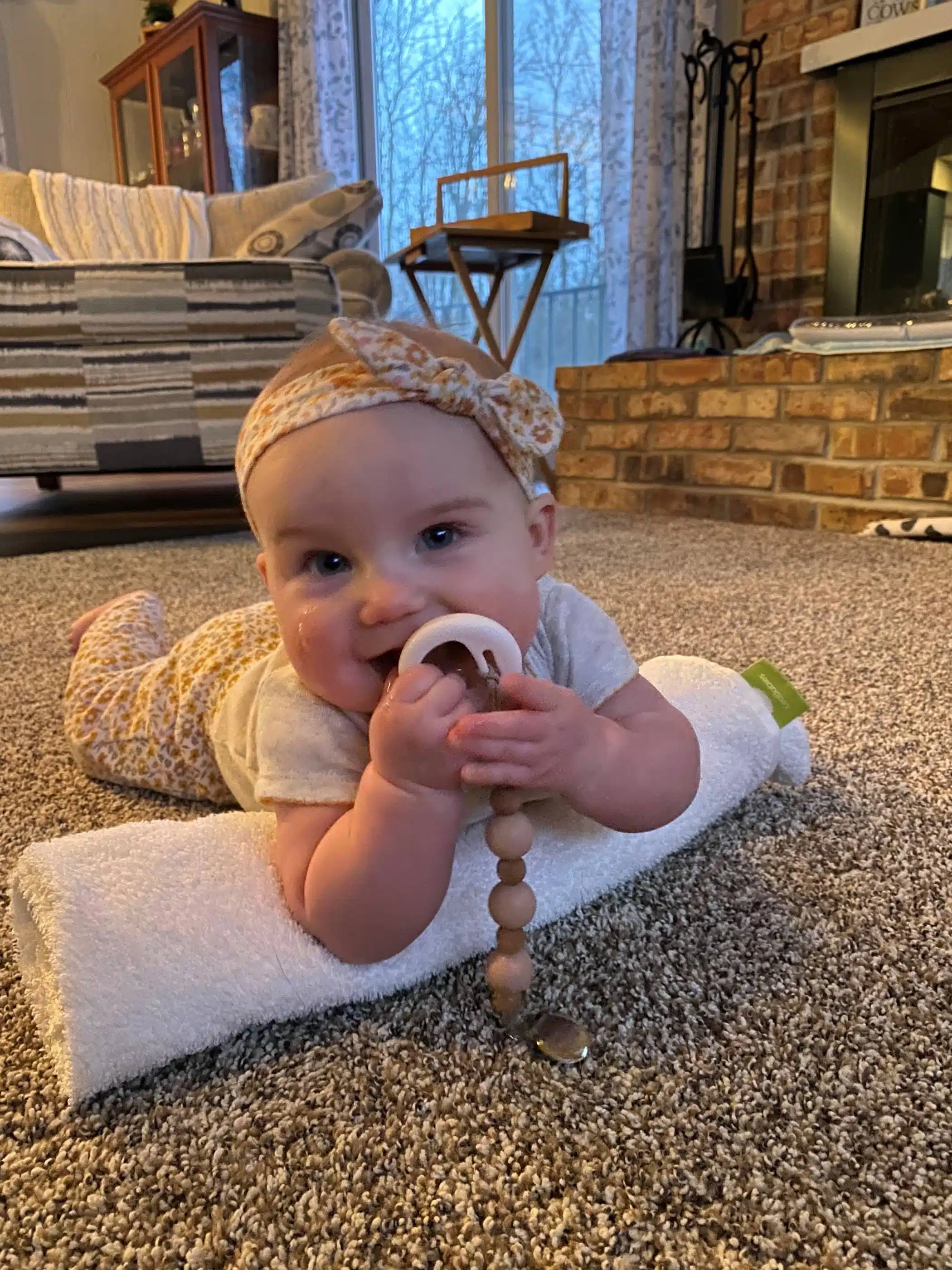
Place a rolled towel under your baby’s chest to reduce strain and help them lift their head. This support encourages proper arm positioning—hands under shoulders, elbows bent. Over time, your baby will push up independently.
Make Tummy Time Interactive
Lie face-to-face with your baby or place a mirror in front to maintain interest. Sing, talk, or use a rattle to draw attention upward. These small interactions build neck and shoulder strength critical for crawling.
Limit Time in Swings and Bouncers
Excessive use of swings, bouncers, and carriers restricts movement and reduces floor time. Balance convenience with at least 30–60 minutes of supervised floor time daily, spread across multiple sessions.
Motivate Movement with Smart Toy Placement
Place Toys Just Out of Reach
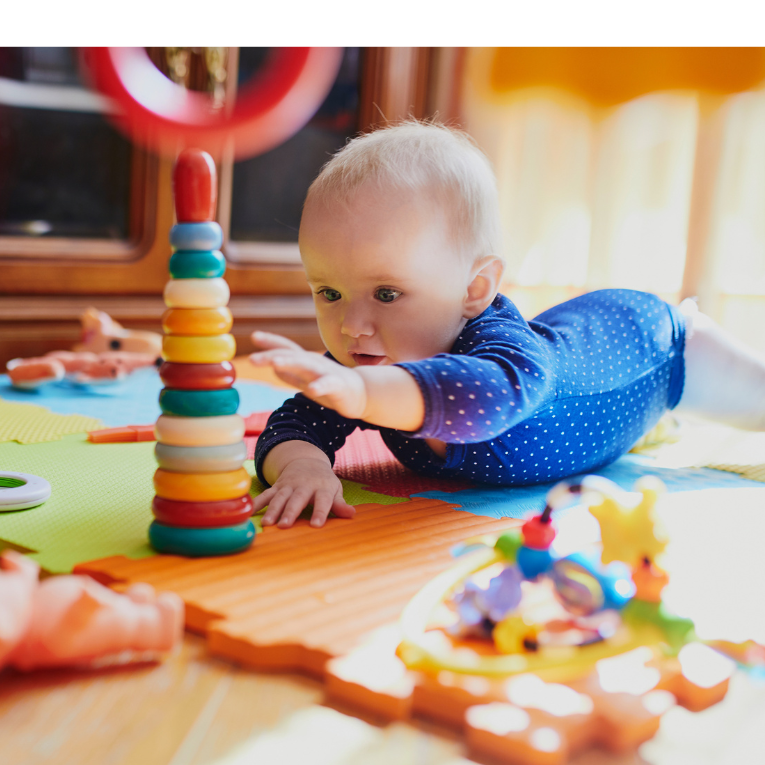
Position favorite toys 1–2 feet away to spark motivation. This “crawl-to-goal” challenge encourages pivoting, reaching, and weight shifting—key skills for crawling. Start close, then gradually increase distance as your baby gains confidence.
Use High-Contrast or Noisy Toys
Babies are drawn to bright colors, sounds, and movement. A musical toy or one with flashing lights can capture attention and inspire effort. Try placing a rattle at a 45-degree angle from your baby’s current position to encourage twisting and reaching.
Introduce Moving Toys
A rolling ball or self-propelled toy can trigger curiosity and pursuit. Let your baby watch it move, then place it nearby to inspire chase. This mimics natural hunting instincts and builds coordination.
Practice Key Pre-Crawling Exercises
Guide Baby Into Push-Up Position
Gently help your baby into a baby push-up: hands under shoulders, chest lifted, hips down. Support their hips if needed, but let them bear weight on their arms. This builds upper body strength. Do 5–10 reps, 2–3 times daily.
Encourage Rocking on Hands and Knees
Once your baby can balance on hands and knees, support gentle back-and-forth rocking. This motion mimics crawling and develops arm-leg coordination. Use a toy to lure forward movement—move it slowly to encourage rhythm.
Help Baby Find the Crawl Posture
If your baby struggles to get into position, gently guide their hands and knees under their body. Use a pillow or rolled towel under the chest to lift the torso while keeping hips low. This helps them experience the crawling stance comfortably.
Create a Safe, Fun Crawl Environment
Clear a Safe Floor Space
Ensure your baby has a safe, open area to practice. Remove hazards like cords, sharp furniture edges, and small objects. Use baby gates or playpens to define boundaries, especially near stairs or kitchens.
Add Playful Obstacles
Build simple challenges: a soft tunnel, a low pillow to crawl over, or a blanket “cave.” These make movement playful and develop spatial awareness. Supervise closely to ensure safety.
Babyproof Before Mobility Begins
As soon as your baby shows signs of movement, babyproof your home. Anchor furniture to walls, cover electrical outlets, and secure rugs. Rolling and scooting babies can move faster than expected—prevention is key.
Reinforce Progress Without Pressure
Celebrate Every Movement Attempt
Praise any forward movement—lifting the head, rocking, or scooting—even if it’s not full crawling. Clap, cheer, or say “You did it!” This positive reinforcement strengthens neural pathways and motivates repetition.
Avoid Forcing or Pulling Baby Forward
Never force your baby into a crawling position or pull them along. Let movement develop naturally. Pressure can create resistance or anxiety, slowing progress.
Stay Patient and Consistent
Progress varies. Some babies crawl within days of trying; others take weeks. Focus on daily tummy time, play, and encouragement. Consistency matters more than speed.
Use Support Tools Wisely

Try Stationary Push Toys
A stationary push toy or walker can help babies practice balance and coordination. These tools let your baby support weight on legs while moving, building strength useful for crawling and walking. Choose models with wide bases and avoid wheeled walkers that increase fall risk.
Don’t Replace Floor Time with Equipment
While push toys can help, they shouldn’t replace floor time. Prioritize unstructured play where your baby can explore freely. Equipment should supplement—not substitute—natural movement.
Avoid Common Mistakes That Slow Progress
Don’t Compare Your Baby to Others
Avoid comparing your baby’s progress to siblings or peers. Every child develops at their own pace. Let them explore movement in their own time and style.
Don’t Overstimulate During Practice
Too many toys or loud distractions during tummy time can overwhelm your baby. Keep the environment calm and focused during crawling attempts.
Limit Use of Restrictive Gear
Excessive time in carriers, swings, and bouncers reduces opportunities for motor development. Aim for at least 30–60 minutes of supervised floor time daily, spread across multiple sessions.
Track Milestones and Know When to Seek Help
Monitor Key Developmental Signs
Crawling is part of a broader journey. Watch for:
• Rolling over (4–6 months)
• Sitting without support (6–8 months)
• Pulling to stand (9–12 months)
• Cruising along furniture (10–12 months)
If your baby skips crawling but meets other milestones, there’s usually no cause for concern.
When to Consult a Specialist
If your baby shows no signs of movement by 12 months, or consistently uses only one side of the body (e.g., drags one leg or arm), consult a pediatrician or developmental specialist. Early intervention can make a big difference. For guidance, call 0300 029 50 50 or text 07520 649887 (Mon–Fri, 9am–5pm, excluding bank holidays).
Frequently Asked Questions About How to Get Baby to Crawl
When do most babies start crawling?
Most babies begin crawling between 6 and 10 months, though some start earlier or later. Signs like rocking on hands and knees, pushing up during tummy time, or scooting indicate readiness. Every baby progresses at their own pace.
Is it normal if my baby skips crawling?
Yes, it’s completely normal for babies to skip crawling. Many go straight from sitting to standing and walking. As long as your baby is gaining strength and meeting other milestones, skipping crawling is not a concern.
What if my baby only moves backward or in circles?
It’s common for babies to scoot backward or pivot in circles before moving forward. These movements build coordination and strength. Encourage forward motion by placing toys just ahead and supporting gentle rocking on hands and knees.
How can I help my baby who hates tummy time?
Start with short sessions—just 1–2 minutes—and make it fun. Lie face-to-face, use a mirror, or place a favorite toy nearby. Try tummy time on your chest or over a rolled towel for support. Gradually increase time as your baby becomes more comfortable.
Does crawling help brain development?
Yes, crawling—especially cross-crawling—supports brain development by strengthening connections between the left and right hemispheres. It also enhances coordination, spatial awareness, and cognitive skills.
Are baby walkers helpful for learning to crawl?
Stationary push toys can help with balance and leg strength, but traditional wheeled walkers are not recommended due to fall risks. Focus on floor time and natural movement instead.
Key Takeaways for Helping Your Baby Crawl
• Crawling typically begins between 6 and 10 months, but every baby develops differently
• Tummy time, toy motivation, and safe exploration are the best ways to encourage crawling
• Support all crawling styles—belly crawl, bear crawl, bum shuffle, and rolling are all normal
• Avoid pressure, comparisons, and overuse of restrictive gear
• Celebrate every effort and stay consistent with daily practice
Trust your baby’s journey. With a safe space, joyful encouragement, and simple daily routines, your little one will find their way—whether they crawl, scoot, or roll toward independence.





