
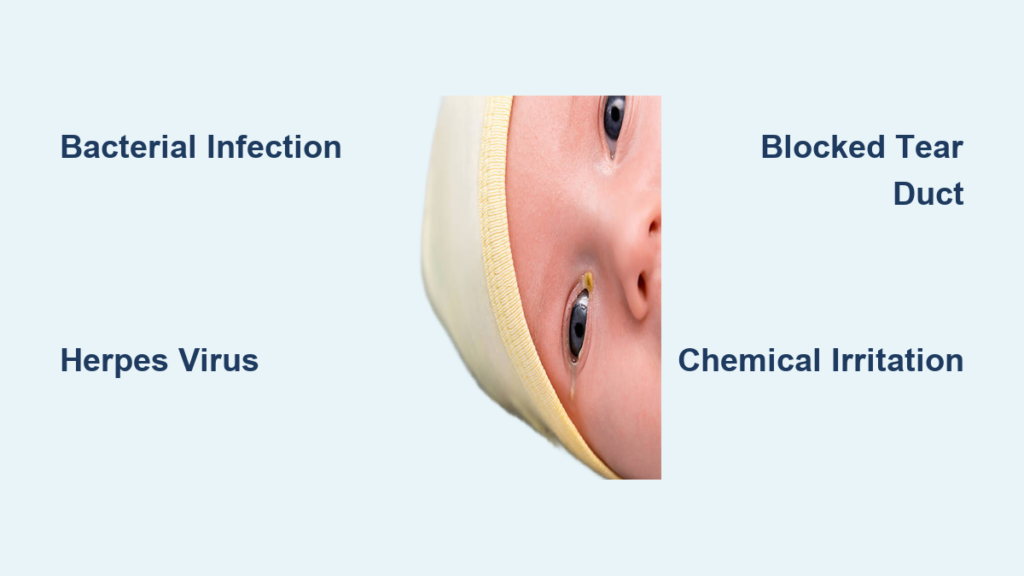
Pink eye in newborns—known medically as neonatal conjunctivitis—is more than just a red, goopy eye. It’s a condition that can signal a serious infection passed during birth or result from irritation or a blocked tear duct. Because babies’ immune systems are still developing, even mild symptoms can quickly escalate into vision damage or life-threatening complications. Understanding how do babies get pink eye is crucial for early detection and treatment.
If your newborn has red, swollen eyes with discharge, don’t wait—contact your pediatrician immediately. The cause could range from bacteria like chlamydia or gonorrhea contracted during delivery to a harmless reaction from preventive eye ointment. This guide breaks down the real reasons behind neonatal pink eye, how to recognize the signs, and what steps to take to protect your baby’s health and vision.
Bacterial Infections Passed During Birth
Some of the most serious cases of pink eye in newborns stem from bacteria present in the birth canal. Even if the mother has no symptoms, she can unknowingly pass harmful bacteria to her baby during vaginal delivery.
Chlamydia: A Common Cause of Delayed-Onset Pink Eye
Mothers with untreated chlamydia can transmit Chlamydia trachomatis to their newborns during childbirth. This infection doesn’t show up right away, which can delay diagnosis.
- Onset: 5–12 days after birth
- Symptoms: Red, swollen eyelids with thick yellow or green discharge
- Complications: Can lead to pneumonia or throat infections in the baby
Oral antibiotics like erythromycin are required for treatment, and both mother and baby must be treated to prevent reinfection.
Gonorrhea: A Medical Emergency at Birth
Neisseria gonorrhoeae causes a severe and fast-moving form of conjunctivitis that threatens vision and overall health.
- Onset: Within 2–5 days after birth
- Symptoms: Intense redness, extreme swelling, and large amounts of pus
- Risks: Can cause corneal ulcers, blindness, or spread to the blood and brain
Immediate treatment with IV or intramuscular ceftriaxone is essential. Hospitalization is often required.
Other Bacteria from the Birth Canal
Not all bacterial infections come from sexually transmitted diseases. Normal vaginal bacteria like Staphylococcus or Streptococcus can also infect a newborn’s eyes during delivery.
- Onset: First week of life
- Symptoms: Moderate redness, swelling, and mucus or pus
- Treatment: Antibiotic eye drops or oral medication
Though less aggressive than gonorrhea, these infections still need prompt treatment to avoid complications.
Herpes Simplex Virus: A Rare but Dangerous Cause
While less common, herpes simplex virus (HSV) can cause a life-threatening form of neonatal conjunctivitis. It’s usually transmitted during vaginal birth if the mother has an active genital herpes infection.
Recognizing Neonatal Herpes Conjunctivitis
- Onset: Within the first two weeks of life
- Symptoms: Red eye, watery or pus-like discharge, and sometimes blisters on the eyelid
- Warning signs: Lethargy, poor feeding, fever, or seizures
HSV can spread to the brain (encephalitis) or other organs, making this a medical emergency.
Treatment for HSV Eye Infections
- Intravenous acyclovir for 14–21 days
- Possible use of antiviral eye drops
- Full evaluation for systemic infection
Even with treatment, some babies may face long-term neurological or vision issues.
Chemical Conjunctivitis: Reaction to Preventive Eye Ointment
Hospitals apply erythromycin ointment to all newborns’ eyes shortly after birth to prevent bacterial infections. While lifesaving, this can sometimes cause a mild chemical reaction.
What to Expect with Chemical Irritation
- Onset: Within the first 24–36 hours
- Symptoms: Mild redness, slight swelling, no pus
- Duration: Resolves on its own within 1–2 days
This type is not contagious and requires no treatment. It’s important not to mistake it for an infection.
Why Hospitals Use Eye Ointment
- Prevents gonococcal and chlamydial eye infections
- Required by law in most U.S. states
- Safer and less irritating than older silver nitrate drops
This simple step has dramatically reduced blindness from birth-acquired infections.
Blocked Tear Duct: A Non-Infectious Cause of Eye Discharge
One of the most common reasons for persistent eye watering or mucus in newborns is a blocked tear duct. This occurs when the drainage system between the eye and nose isn’t fully open.
Signs Your Baby Has a Blocked Tear Duct
- One eye is consistently watery or crusty, especially in the morning
- Mild redness but no pus or significant swelling
- No fever or other signs of illness
- Symptoms start in the first few weeks of life
Unlike infections, this condition is not dangerous but can mimic pink eye.
How to Manage a Blocked Tear Duct at Home
- Gentle massage: Press down with a clean finger between the eye and nose 2–3 times daily
- Warm compress: Use a clean, warm cloth to soften crusting
- Hygiene: Wipe from inner to outer corner of the eye using a fresh cotton ball each time
Most cases resolve by 12 months of age. If not, a minor probing procedure may be needed.
How Doctors Diagnose the Cause of Pink Eye in Newborns

Since many causes look similar, doctors rely on timing, symptoms, and lab tests to pinpoint the source.
Using Symptom Onset to Narrow Down Causes
- 0–24 hours: Likely chemical conjunctivitis
- 2–5 days: Possible gonorrhea
- 5–12 days: Likely chlamydia
- After 2 weeks: Could be blocked duct or late infection
This timeline helps guide testing and treatment.
Lab Tests That Confirm the Diagnosis
- Eye swab: Tested for chlamydia (PCR), gonorrhea (culture), or herpes (PCR)
- Blood or spinal fluid tests: If systemic infection is suspected
- Viral cultures: Used if HSV is a concern
Accurate diagnosis ensures the right treatment is started quickly.
What the Physical Exam Reveals
Doctors check for:
- Type of discharge (watery, mucus, or pus)
- Corneal ulcers or cloudiness
- Swelling severity
- Signs of infection elsewhere (rash, breathing issues)
These clues help distinguish between irritation, blockage, and dangerous infections.
When to Seek Emergency Care for Newborn Pink Eye
Any eye redness or discharge in a baby under one month old requires immediate medical attention. Some signs mean you should go to the ER.
Red Flags That Require Immediate Treatment
Seek urgent care if your newborn has:
- Thick green or yellow pus in the eye
- Swollen eyelids that won’t open
- Sensitivity to light
- Fever (100.4°F or higher)
- Lethargy, poor feeding, or irritability
These could indicate a severe infection spreading beyond the eye.
Why Early Treatment Is Critical
Delaying care can lead to:
- Permanent vision loss
- Corneal scarring
- Blood infection (sepsis) or meningitis
Even mild symptoms warrant a same-day call to your pediatrician.
Treatments Based on the Cause of Pink Eye
Treatment varies widely depending on the cause. Never use home remedies without medical advice.
Chlamydial Conjunctivitis: Oral Antibiotics Are Essential
- Oral erythromycin for 14 days
- Topical drops alone are not effective
- Both mother and baby should be treated
Note: Erythromycin may cause stomach upset or, rarely, pyloric stenosis—watch for vomiting.
Gonococcal Conjunctivitis: Hospitalization Required
- IV or injectable ceftriaxone
- Saline irrigation to clear pus
- Monitoring for systemic infection
This is a medical emergency requiring immediate action.
Herpes Conjunctivitis: Antivirals Save Lives
- IV acyclovir for 14–21 days
- Possible topical antiviral drops
- Full workup for organ involvement
Early treatment improves outcomes but doesn’t eliminate all risks.
Chemical Conjunctivitis: No Medication Needed
- Resolves in 1–2 days
- Keep eyes clean with warm compresses
- Reassurance for parents is key
No treatment is required—just time and gentle care.
Blocked Tear Duct: Conservative Care First
- Daily massage and warm compresses
- Antibiotic drops only if a secondary infection develops
- Probing surgery if the duct remains blocked after age 1
Most cases resolve without intervention.
How to Prevent Neonatal Pink Eye Before and After Birth

Prevention starts before delivery and continues in the first hours of life.
Prenatal Screening Stops STI Transmission
- All pregnant women should be tested for chlamydia and gonorrhea early in pregnancy
- Retest in high-risk cases or late pregnancy
- Treat infections with safe antibiotics like azithromycin
Treating the mother prevents the baby from getting infected at birth.
Birth Dose of Eye Ointment Is Mandatory
- Erythromycin ointment applied within 2–3 hours of birth
- Required by law in most states
- Prevents up to 80% of gonococcal eye infections
This small step protects your baby’s vision.
Cesarean Delivery Reduces HSV Risk
- Recommended if mother has active genital herpes sores at delivery
- Reduces risk of neonatal herpes, including eye infection
- Discuss your herpes status with your OB-GYN early in pregnancy
Even without sores, asymptomatic shedding can occur—so timing matters.
Key Takeaways for Parents on How Do Babies Get Pink Eye
Understanding the causes of pink eye in newborns helps you act fast and protect your baby’s health.
Summary of Causes and Timing
| Cause | Onset | Key Signs | Treatment |
|---|---|---|---|
| Chlamydia | 5–12 days | Pus, swelling | Oral antibiotics |
| Gonorrhea | 2–5 days | Severe pus, swelling | IV antibiotics |
| Herpes | 1–2 weeks | Sores, watery discharge | IV antivirals |
| Chemical | First 24–36 hours | Mild redness | No treatment |
| Blocked duct | Weeks 1–6 | Watery eye, crusting | Massage, warm compress |
What You Can Do Right Now
- Attend all prenatal visits and get tested for STIs
- Ensure eye ointment is applied after birth
- Watch for eye redness or discharge in the first month
- Call your doctor immediately if symptoms appear
Early action prevents long-term harm.
Frequently Asked Questions About How Do Babies Get Pink Eye
Can a baby get pink eye from the birth canal?
Yes. Babies can get pink eye from bacteria like chlamydia or gonorrhea in the birth canal, even if the mother has no symptoms. This is why prenatal screening and preventive eye ointment are critical.
Is pink eye in newborns contagious?
Some types are contagious. Bacterial and viral forms can spread through contact with discharge. Always wash hands before and after touching your baby’s eyes.
Can breast milk cure newborn pink eye?
No. While some parents use breast milk, there is no scientific evidence it treats infection. Relying on it can delay proper treatment and increase the risk of complications.
How long does newborn pink eye last?
It depends on the cause. Chemical irritation clears in 1–2 days. Bacterial infections improve within days of starting antibiotics. Blocked tear ducts may last up to a year.
Do all newborns get eye ointment at birth?
Yes. Most U.S. states require hospitals to apply antibiotic eye ointment—usually erythromycin—within 2–3 hours of birth to prevent serious infections.
Can a C-section prevent newborn pink eye?
A C-section can reduce the risk of HSV and some bacterial infections if the mother has active genital herpes or untreated STIs. However, it doesn’t eliminate all risks, and eye ointment is still given.
When to Act: Protecting Your Newborn’s Vision and Health
How do babies get pink eye? The answer ranges from birth-acquired infections to simple blockages. While some causes are preventable and others resolve quickly, any eye redness or discharge in a newborn demands immediate medical attention. With early diagnosis and proper treatment, most babies recover fully without lasting effects. Stay informed, stay vigilant, and always call your doctor at the first sign of trouble.





