
Introducing solid foods is an exciting step in your baby’s development, and green beans are a top choice for many parents starting this journey. Knowing how to make green beans for baby safely ensures your little one gets a nutrient-rich, easy-to-digest first food. Packed with vitamin C, iron, and fiber, green beans support healthy growth and digestion. This guide covers every step—from selecting fresh beans to storing puree—with age-appropriate tips and safety precautions to help you prepare wholesome meals at home.
You’ll learn how to steam, blend, and serve green beans in textures perfect for each stage of weaning. We’ll also cover common mistakes to avoid, smart storage methods, and ways to mix green beans with other baby-friendly foods. Whether you’re making a silky puree for a 6-month-old or soft finger food for a 10-month-old, this step-by-step resource gives you the confidence to serve safe, nutritious meals your baby will love.
Choose the Best Green Beans for Baby
Fresh vs. Frozen: What’s Safest?
Always pick fresh or unsalted frozen green beans—never canned. Canned varieties often contain added sodium, which is unsafe for babies. Look for bright green, firm pods without wrinkles or dark spots. If possible, choose organic since green beans rank high on the “Dirty Dozen” list for pesticide residue.
Wash Every Bean Thoroughly
Even organic green beans carry dirt and potential residues. Rinse them under cool running water and gently scrub with a soft produce brush. Washing reduces contaminants and ensures a clean base for cooking. Always wash before trimming or cutting.
Prepare Green Beans for a Smooth Puree
Trim and Cut Into Small Pieces
Remove both ends of each bean—these can be tough and fibrous. Then chop the beans into 1-inch segments. Smaller pieces cook evenly and blend more smoothly, reducing the risk of lumps in your baby’s puree.
Steam Until Very Tender
Place chopped beans in a steamer basket over boiling water. Cover and steam for 8–10 minutes until they can be easily squished between your fingers. Steaming preserves nutrients better than boiling and prevents the beans from absorbing too much water, which can dilute flavor and texture.
Blend Into a Safe, Silky Puree
Add Liquid for the Right Consistency
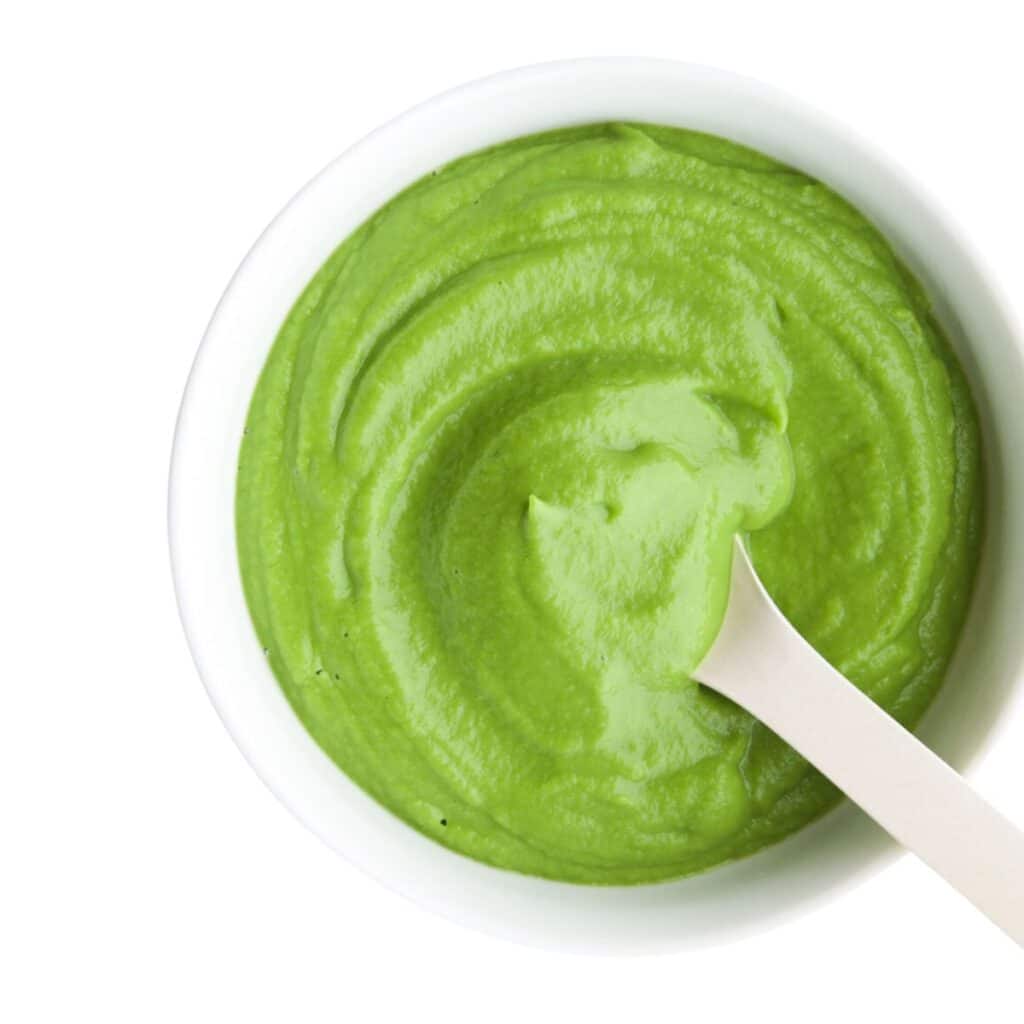
Transfer cooked beans to a blender or food processor. Add 2–4 tablespoons of water, breast milk, or formula. Start with less liquid—you can always thin it out later. For newborns starting solids, aim for a runny, pourable texture.
Blend Until Completely Smooth
Process the mixture until no lumps remain. Stop and scrape down the sides as needed. If fibrous strands persist, strain the puree through a fine mesh sieve to eliminate choking hazards. A silky finish is essential for babies under 8 months.
Adjust Texture Based on Age
As your baby grows, change the thickness to match their eating skills:
• 6–7 months: Thin, smooth puree (like heavy cream)
• 8–9 months: Thicker, spoon-coachable texture (like yogurt)
• 10+ months: Soft mashes or small, bite-sized cooked pieces
Serve Safely and Store for Later Use

Cool and Test Temperature Before Feeding
Let the puree cool for 5–10 minutes before serving. Test a small amount on your wrist—warm, not hot, is safe. If reheating from the fridge or freezer, stir well after warming to avoid hot spots.
Freeze in Single-Serving Portions
Pour puree into clean ice cube trays for easy portioning. Once frozen (about 4–6 hours), transfer cubes to a labeled freezer bag. Write the date and use within 3 months for best quality and nutrient retention.
Refrigerate Leftovers Correctly
Store unused puree in an airtight container in the fridge for up to 48 hours. Never save food left in your baby’s bowl after a meal—saliva introduces bacteria that can grow quickly.
Introduce Green Beans Gradually and Monitor Reactions
Start With a Teaspoon
Offer just 1–2 teaspoons at the first meal. Watch how your baby responds—do they lean in, open their mouth, or turn away? First tastes are about exploration, not volume.
Watch for Allergic Reactions
Though green beans are low-allergy risk, monitor for signs like rash, vomiting, diarrhea, or breathing issues within a few hours. Introduce one new food every 3–5 days to track reactions clearly.
Pair With Iron-Rich Foods
Green beans are rich in vitamin C, which helps your baby absorb iron. Mix the puree with iron-fortified cereal, pureed chicken, turkey, or lentils to boost nutritional value at mealtime.
Avoid Common Green Bean Preparation Mistakes
Never Add Salt, Butter, or Spices
A baby’s kidneys can’t handle extra sodium. Skip salt, garlic, onions, butter, and seasonings until after age 1. Keep flavors natural and gentle to support healthy taste development.
Don’t Microwave for Cooking
Microwaving can create uneven heat and texture. Use stovetop steaming for consistent results and better control over doneness. If reheating, stir thoroughly and let sit for 30 seconds.
Never Serve Raw or Undercooked Beans
Raw green beans are hard to chew and digest. Undercooked beans may pose a choking hazard. Always cook until very soft—test by squishing between your fingers before blending or serving.
Offer Finger Food Versions for Older Babies

Roast for a Sweeter, Tender Texture
Trim beans and toss with a tiny drop of olive oil. Roast at 400°F (200°C) for 15–20 minutes until fork-tender and slightly caramelized. Roasting brings out natural sweetness and makes them easier to gum.
Cut Into Safe, Manageable Pieces
For babies 10 months and up, cut roasted beans into pea-sized bits. Alternatively, serve whole if very soft and easy to squish—this reduces choking risk while encouraging self-feeding.
Supervise All Self-Feeding Attempts
Always stay within arm’s reach during meals. Watch for gagging, pocketing food in cheeks, or difficulty chewing. Encourage munching motions and offer water to help with swallowing.
Mix Green Beans With Other First Foods
Combine With Sweet Potatoes
Blend steamed green beans with sweet potato for a balanced taste and nutrient boost. The natural sweetness helps babies accept the mild earthy flavor of green beans.
Stir Into Baby Oatmeal
Mix a few spoonfuls of puree into warm, iron-fortified oatmeal. This adds color, fiber, and vitamins to a familiar staple, making meals more nutritious and interesting.
Serve Alongside Mashed Avocado
Pair green bean puree with mashed avocado for healthy fats and texture contrast. The creaminess of avocado complements the slight firmness of green beans, supporting oral development.
Clean and Maintain Baby Food Equipment
Wash All Tools Immediately After Use
Blenders, spoons, trays, and storage containers should be washed in hot, soapy water right after use. Residue can harbor bacteria, especially in crevices of ice cube trays or blender blades.
Replace Damaged or Worn Containers
Cracked trays or scratched storage bags can trap bacteria. Use only BPA-free, baby-safe materials and replace them at the first sign of wear to keep food safe.
Key Takeaways for Making Green Beans for Baby
Preparing green beans at home gives you full control over ingredients and texture, ensuring your baby gets safe, nutritious meals. From selecting fresh or frozen beans to steaming, blending, and storing, each step supports healthy eating habits. You now know how to adjust consistency by age, avoid harmful additives, and introduce green beans safely alongside other foods.
For best results, start small, monitor reactions, and always serve properly cooked and cooled food. Try mixing green beans with iron-rich or creamy foods to enhance flavor and nutrition. With these tips, you’re ready to make delicious, homemade green beans that support your baby’s growth and love of healthy food.
Frequently Asked Questions About Making Green Beans for Baby
Can I use frozen green beans for baby food?
Yes, unsalted frozen green beans are a great option. They’re often flash-frozen at peak freshness and retain nutrients well. Just thaw and steam as you would with fresh beans.
How long do homemade green bean purees last?
In the fridge, store puree for up to 48 hours. In the freezer, it stays safe and nutritious for up to 3 months. Always label with the date and discard any uneaten food after a feeding.
Are green beans a common allergen for babies?
No, green beans are considered low-risk for allergies. However, always introduce them one at a time and watch for any adverse reactions like rash, vomiting, or diarrhea.
Why is my baby gagging on green bean puree?
Gagging is common when starting solids and part of learning to eat. Ensure the puree is smooth and thin enough. If gagging persists, check texture and consider waiting a few days before trying again.
Can I mix green beans with formula or breast milk?
Yes. Mixing puree with breast milk or formula improves familiarity and taste. It also helps thin the consistency for beginners. Use freshly prepared milk—never reheat or reuse leftover milk.
When can my baby eat whole green beans?
Babies can try soft, whole green beans around 10–12 months if they are very tender and easy to squish. Always supervise and ensure they can gum or chew well to prevent choking.





