
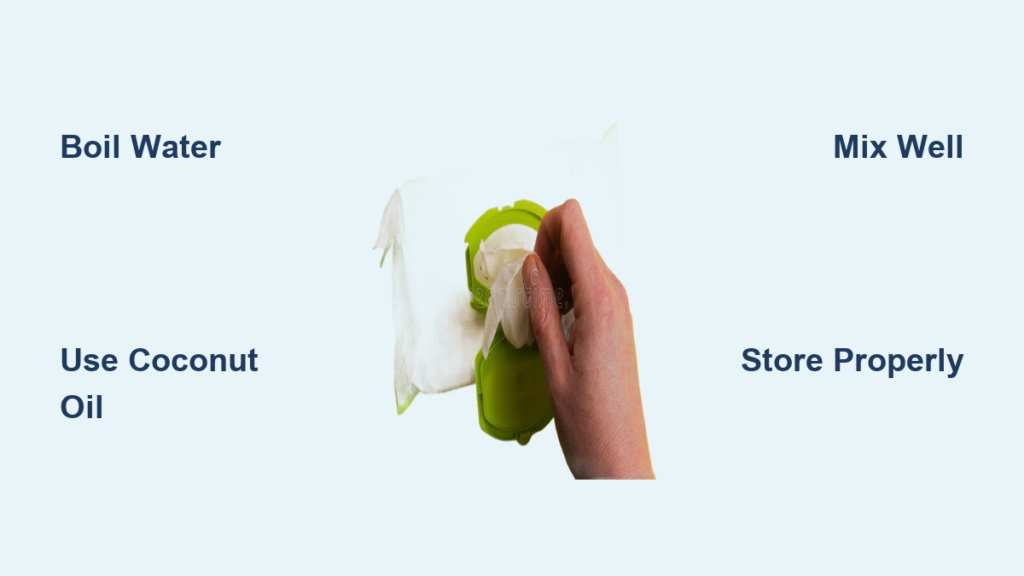
If you’re looking for a safe, natural way to clean your baby’s delicate skin, learning how to make baby wipes is a smart and simple solution. Commercial wipes often contain preservatives, fragrances, and chemicals that can irritate sensitive skin. By making your own, you control every ingredient—ensuring a gentle, moisturizing wipe free from synthetic additives. Using just purified water, coconut oil, and pure Castile soap, you can create effective, skin-friendly wipes in under an hour. This guide walks you through each step, from sterilizing ingredients to storing your batch safely, so you can confidently switch to a healthier alternative.
You’ll learn how to prepare a sterile solution, choose the right wipes and containers, and customize the formula for your baby’s unique skin needs. We’ll also cover storage best practices, troubleshooting tips, and how to compare DIY wipes to store-bought versions. Whether you’re motivated by skin sensitivity, environmental concerns, or budget savings, this step-by-step method gives you a clean, cost-effective option you can trust.
Gather Your Ingredients for Safe, Natural Wipes
Before mixing anything, assemble all ingredients and supplies. The safety and effectiveness of your homemade baby wipes depend on using pure, high-quality components and clean tools.
Use Only Sterile, Skin-Safe Ingredients
Stick to this proven three-ingredient formula for gentle, effective wipes:
• 2 cups purified water – Boiled to eliminate bacteria and ensure a sterile base
• 2 tablespoons coconut oil – Natural moisturizer that helps prevent diaper rash
• 1 tablespoon pure Castile soap – Plant-based cleanser without synthetic fragrances or dyes
• Dry wipes (cloth or disposable) – Choose soft, absorbent, lint-free material
Avoid essential oils, alcohol, or additives unless approved by your pediatrician. Even natural scents like lavender or tea tree oil can cause irritation in newborns.
Why Each Ingredient Matters
Purified boiling water kills microbes and creates a safe liquid base. Coconut oil forms a protective barrier on the skin, locking in moisture and reducing friction during cleaning. Pure Castile soap lifts away mess without stripping natural oils, making it ideal for daily use. Together, they deliver a balanced, non-irritating wipe perfect for diaper changes and face cleaning.
Prepare the Cleaning Solution Safely
The key to long-lasting, effective wipes is a well-emulsified, sterile solution. Follow these steps to mix ingredients properly and avoid contamination.
Boil and Cool the Water Properly
Measure 2 cups of purified water and bring it to a full boil for at least 1 minute. This kills any bacteria or pathogens. Remove from heat and let it cool until warm—about 10–15 minutes. The water should be warm enough to melt the coconut oil but not hot enough to degrade the soap or warp plastic containers.
⚠️ Never mix boiling water directly with oils or soap—this can cause separation and reduce effectiveness.
Mix Until Fully Emulsified
Pour the warm water into a clean mixing bowl. Add 2 tablespoons of coconut oil and 1 tablespoon of pure Castile soap. Stir continuously for 2–3 minutes until the oil is fully dispersed and the mixture looks uniform. This emulsification ensures each wipe delivers consistent moisture and cleaning power.
✅ Pro Tip: Use a hand whisk or small blender for a smoother, more stable solution—especially if you notice oil floating on top.
Soak Wipes for Even Saturation
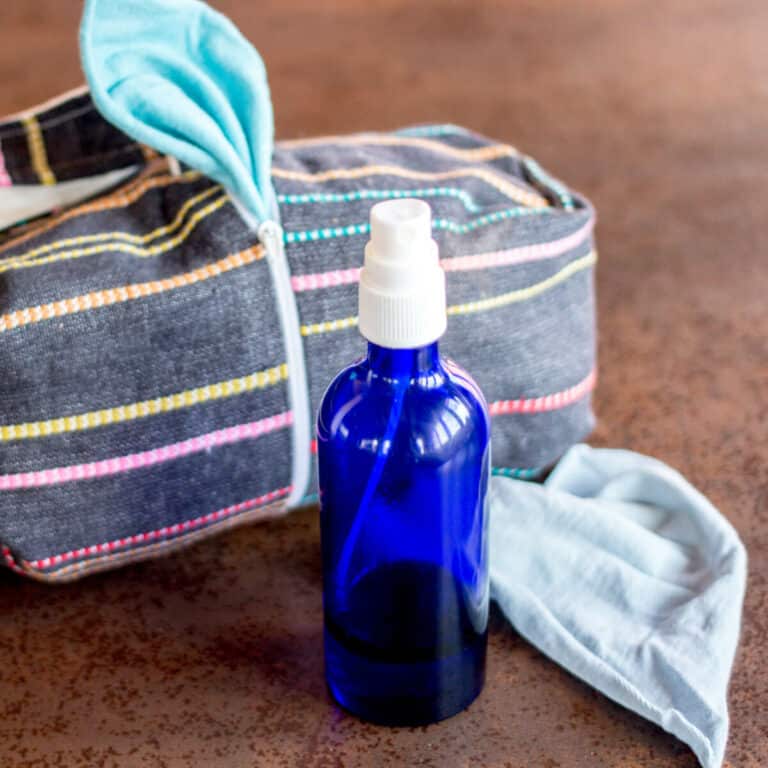
Now that your solution is ready, it’s time to transfer it to your wipes so they’re ready for use.
Choose a Clean, Airtight Container
Use a sanitized container with a tight-sealing lid. Good options include:
• Empty wipe tubs (thoroughly washed and dried)
• Mason jars with wide openings
• Flip-top travel dispensers
Ensure the container is food-grade and free of cracks or residue to prevent bacterial growth.
Pour and Soak for 15 Minutes
Place a full stack of dry wipes into the container. Slowly pour the cooled solution over them, ensuring even coverage. Gently press the top layer to help the liquid absorb. Let the wipes sit undisturbed for at least 15 minutes before use.
🔍 Visual Cue: Wipes should feel damp throughout but not dripping. If liquid pools at the bottom, reduce the solution by ¼ cup next time.
Store Wipes to Prevent Spoilage
Because homemade wipes lack preservatives, proper storage is essential for safety and performance.
Keep in a Cool, Dark Place
Store the container in a cool, dry area away from sunlight and heat. UV light and high temperatures can break down coconut oil and encourage bacterial growth. Always seal the lid tightly after each use to prevent drying and contamination.
❌ Do not refrigerate—cold wipes can startle babies during diaper changes.
Label and Use Within 30 Days
Write the preparation date on the container. Use all wipes within one month. Even if they look and smell fine, discard them after 30 days to avoid microbial risk.
🚫 Discard immediately if you see cloudiness, mold, or an off smell—these are signs of spoilage.
Customize Wipes for Your Baby’s Skin

One of the biggest benefits of DIY wipes is the ability to tailor them to your baby’s needs.
Adjust Moisture for Skin Type
For dry or rash-prone skin, increase coconut oil to 3 tablespoons for extra hydration. For oily or acne-prone newborn skin, reduce to 1 tablespoon to avoid clogged pores.
Use Reusable Cloth Wipes
Switch to soft cotton flannel, bamboo, or microfiber squares for an eco-friendly option. They hold solution well and can be washed with fragrance-free detergent after each use.
Make Travel-Sized Batches
Pre-soak 5–10 wipes in a small zip-top bag or silicone pouch. Label with the date and toss into your diaper bag for quick, on-the-go changes.
✅ Time-Saver: Pre-cut and stack dry wipes so you can make fresh batches in minutes.
Fix Common Homemade Wipe Problems
Even with a simple recipe, issues can arise. Here’s how to troubleshoot them.
Stop Oil-Water Separation
If the solution separates, shake the container gently before each use. For better stability, whisk longer during mixing or use a hand blender to create a finer emulsion.
Avoid Too Wet or Too Dry Wipes
Too soggy? Reduce liquid by ¼ cup next batch. Too dry? Add more solution gradually until desired dampness is reached. Use more absorbent wipes if needed.
Watch for Skin Reactions
During the first few uses, check for redness, rash, or irritation. Even natural ingredients can cause sensitivity.
🩺 If irritation occurs, stop use and do a patch test on a small area of skin before trying again.
Follow Safety Best Practices
Treat making baby wipes like preparing food—cleanliness is critical.
Sterilize All Tools
Wash bowls, spoons, and containers in hot, soapy water. Rinse well. For extra safety, sanitize with a vinegar-water rinse (1 part vinegar to 3 parts water) or boil small tools for 5 minutes.
Use Clean Hands Only
Always wash your hands before handling ingredients or wipes. Avoid touching the inside of the container or the wipe surface directly.
Stick to the Proven Formula
Do not add vinegar, baking soda, or essential oils unless advised by a pediatric dermatologist. These can disrupt skin pH or cause burns.
Compare DIY vs. Store-Bought Baby Wipes

Understanding the pros and cons helps you decide what’s best for your family.
Benefits of Homemade Wipes
• Full ingredient control – Know exactly what touches your baby’s skin
• No synthetic preservatives or fragrances – Lower risk of allergic reactions
• Cost-effective over time – Especially with reusable cloths and bulk ingredients
• Eco-friendly – Reduce plastic waste with cloth wipes
Drawbacks to Consider
• Short shelf life (1 month) – Requires monthly prep
• No preservatives – Higher contamination risk if stored improperly
• Slight batch variation – Results may differ slightly each time
• Time investment – Takes 30–45 minutes per batch
While commercial wipes last years, many contain methylisothiazolinone or phenoxyethanol—chemicals linked to skin irritation. DIY wipes offer a cleaner, though more hands-on, alternative.
Frequently Asked Questions About Making Baby Wipes
Can I use tap water instead of purified water?
No. Tap water may contain bacteria or impurities. Always use purified water that’s been boiled to ensure sterility and prevent contamination.
Are homemade wipes safe for newborns?
Yes, if made with pure ingredients and proper hygiene. The formula—coconut oil, Castile soap, and boiled water—is gentle enough for newborn skin. Always monitor for reactions during first uses.
Can I add essential oils for fragrance?
Not recommended. Even natural essential oils like lavender or chamomile can irritate infant skin. Skip fragrances unless approved by your pediatrician.
How do I make wipes without coconut oil?
You can substitute with jojoba oil or sweet almond oil, but test first for allergies. Avoid heavy oils like olive oil, which may clog pores.
Can I use paper towels as dry wipes?
Yes, but choose lint-free, unscented, and dye-free versions. Thicker paper towels work better, but cloth wipes are more durable and eco-friendly.
Do homemade wipes really save money?
Yes, over time. A batch costs under $3 and lasts a month. With reusable cloths, savings increase significantly compared to premium store-bought wipes.
Key Takeaways for Making Safe, Effective Baby Wipes
Making baby wipes at home is a simple, empowering way to protect your baby from hidden chemicals. With just three core ingredients—purified boiled water, coconut oil, and pure Castile soap—you can create gentle, moisturizing wipes in under an hour. By following strict hygiene, using airtight storage, and discarding batches after 30 days, you ensure every wipe is safe and effective.
Customize the formula for dry skin, travel, or eco-friendly routines using cloth wipes. Avoid additives, monitor for reactions, and always sterilize equipment. While DIY wipes require monthly prep, they offer unmatched ingredient control, cost savings, and peace of mind. Start your first batch today—your baby’s delicate skin will thank you.





