
Camping with a baby might sound like a wild idea—juggling diapers, feeding schedules, and bedtime routines in the middle of the woods? It can feel overwhelming at first. But thousands of parents have done it successfully, and with the right preparation, you can too. Knowing how to camp with a baby doesn’t mean sacrificing comfort or safety; it means adapting your routine to nature’s rhythm. From choosing the right gear to managing sleep and feeding outdoors, this guide walks you through every essential step.
The key to a successful family camping trip with an infant lies in preparation, flexibility, and smart gear choices. Babies thrive on routine, so replicating their home environment as much as possible—while embracing the adventure—makes all the difference. Whether you’re planning a weekend at a developed campground or a more remote backcountry escape, this guide gives you practical, field-tested strategies. You’ll learn how to pack efficiently, keep your baby safe from the elements, maintain hygiene, and even enjoy peaceful moments under the stars—together.
Choose a Campsite That Supports Baby Care
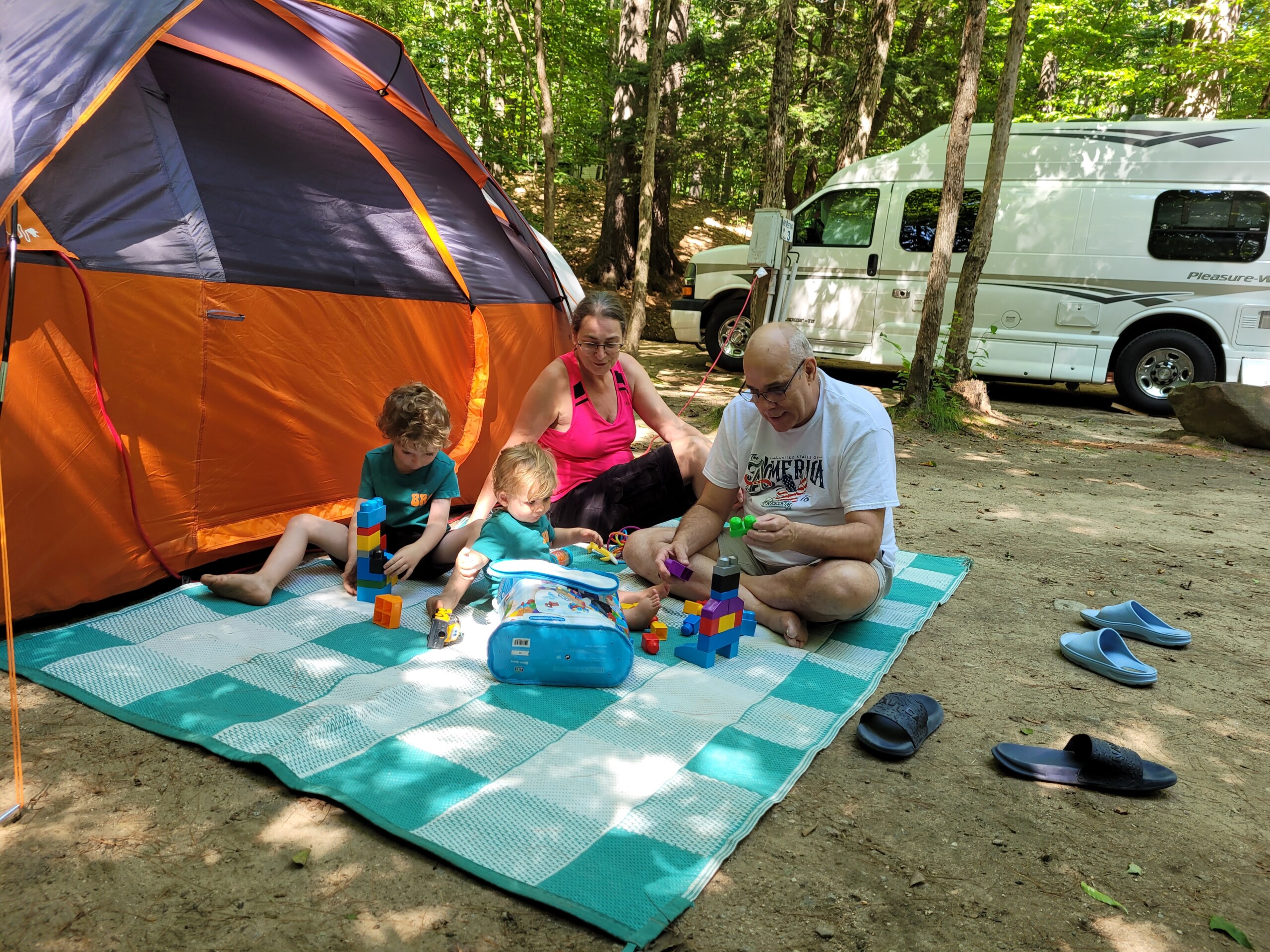
Picking the right location makes baby care easier and reduces stress for everyone. A well-chosen site gives you access to essentials while keeping your little one safe and comfortable.
Select Family-Friendly Campgrounds
Look for campgrounds that welcome families and offer clean restrooms, potable water, and flat tent pads. Proximity to towns or medical facilities adds peace of mind. Many state and national parks now have designated family zones with quieter hours and more space between sites.
Opt for established campgrounds over backcountry spots for your first trip. These often include picnic tables, fire rings, trash disposal, and sometimes even showers or laundry—small conveniences that make a big difference when caring for a baby.
Set Up in Shade on Level Ground
Choose a shaded area to protect your baby from direct sun, especially between 10 a.m. and 4 p.m. Tree cover helps keep temperatures stable and prevents overheating. Avoid low-lying areas where rainwater could collect.
Ensure the ground is flat and free of rocks or roots. A lumpy surface can disrupt your baby’s sleep and make diaper changes difficult. Use a ground tarp under your tent, but keep it smaller than the tent base to prevent water from pooling underneath.
Stay Near Water and Restrooms
Having quick access to clean water and toilets simplifies feeding, cleaning, and diaper changes. Carrying heavy supplies long distances is exhausting when you’re also holding a baby. Aim for a site within 100 yards of these facilities.
If you plan to camp with older kids later, consider sites near safe trails or swimming areas. But for infants, convenience and safety come first.
Pack Essential Baby Gear for Outdoor Comfort
Bringing the right baby-specific supplies ensures your little one stays safe, warm, and well-cared for in the wild.
Use a Safe Sleep Solution in the Tent
Babies need a firm, flat surface to sleep on. Bring a portable bassinet or travel crib like the BabyBjörn Travel Crib Light or Graco Pack ‘n Play. These fit inside most tents and keep your baby off the cold ground.
Alternatively, use a high-R-value sleeping pad with a fitted sheet. Never let a baby sleep directly on the ground or on an air mattress that could deflate. Always follow safe sleep rules: firm surface, no loose blankets, and baby on their back.
Dress for Temperature with a Proper Sleep Bag
Layer your baby’s clothing and use a wearable blanket or sleep sack rated for nighttime temps. Avoid loose blankets, which are a suffocation hazard. Choose sleep bags with TOG ratings suitable for outdoor use.
In cold weather, use a double-layer system: a mid-weight sleep sack inside a larger mummy bag (with baby inside). Check your baby’s chest or back to monitor warmth—cool hands are normal, but a cold torso means they need more layers.
Bring Extra Diapers, Wipes, and Feeding Supplies
Pack double the number of diapers you expect to use. Include wipes, diaper rash cream, a changing pad, and sealable bags for soiled diapers. Use odor-proof bags or a portable diaper pail to control smells.
For feeding, bring formula, bottles, breast milk storage bags, or pre-portioned baby food. If breastfeeding, plan for pumping and storage. A small insulated cooler with ice packs keeps milk fresh for up to 24 hours.
Stick to Your Baby’s Daily Routine
Maintaining familiar rhythms helps your baby adjust and stay calm in a new environment.
Keep Feeding Times on Schedule
Feed your baby at the same times as at home. Predictable meals help regulate digestion and sleep. Bring a nursing cover if you want privacy while breastfeeding outdoors.
If bottle-feeding, pre-measure formula or pre-fill bottles at home. Use a thermos of hot water to warm bottles safely—never microwave in the wild. Warm bottles by placing them in a bowl of hot water instead.
Recreate the Bedtime Ritual in the Tent
Follow your usual routine: wipe-down bath, lullaby, book, and cuddles. A portable white noise machine or app can mask unfamiliar sounds like owls or campfires.
Set up the sleeping area early so your baby associates the tent with bedtime. Use a familiar swaddle or lovey (if safe and age-appropriate). Cover mesh windows with a dark cloth if early sunrise disrupts sleep.
Plan Activities Around Nap Times
Babies need regular naps, so avoid loud or active outings during these windows. Use a stroller, carrier, or car seat for on-the-go naps if needed.
If your baby sleeps in a car seat, bring them into the shade immediately and never leave them unattended. Avoid long naps in carriers due to the risk of positional asphyxia.
Protect Your Baby from Outdoor Hazards
Nature is beautiful but full of risks. Take steps to keep your infant safe from insects, sun, wildlife, and other dangers.
Prevent Bug Bites with Safe Repellents
The American Academy of Pediatrics approves DEET (up to 30%) and picaridin for infants over 2 months. Apply sparingly on exposed skin, avoiding hands, eyes, and mouth. Dress your baby in lightweight long sleeves and pants during buggy hours.
Use a mesh cover on strollers or carriers. Avoid applying repellent under clothing or over sunscreen. Natural oils like citronella are not reliable for primary protection.
Shield from Sun and Heat Exposure
Keep babies under 6 months out of direct sunlight. Use a pop-up shade tent, stroller canopy, or umbrella to create a cool zone. Dress your baby in UPF-rated clothing, wide-brimmed hats, and baby sunglasses if they tolerate them.
Watch for signs of overheating: flushed skin, rapid breathing, irritability. Cool your baby by moving to shade, removing layers, and offering fluids (breast milk, formula, or small sips of water for babies over 6 months).
Keep Baby Away from Wildlife and Dangers
Store food in bear-proof containers or hang it from a tree if required. Never feed wildlife or leave food out. Teach older kids to wash hands after touching animals.
Keep your baby away from campfires, sharp tools, and open water. Use a play yard or baby gate to create a safe zone if allowed. Always supervise within arm’s reach near lakes, rivers, or cliffs.
Maintain Cleanliness in the Wild
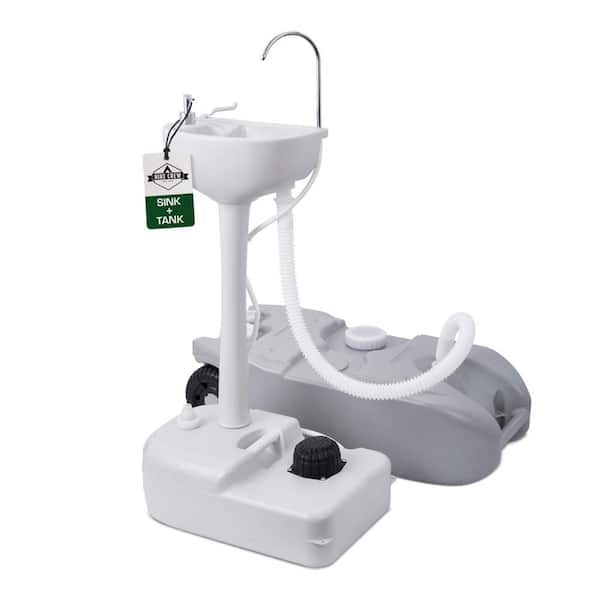
Hygiene is harder outdoors but crucial for preventing illness in infants.
Create a Handwashing and Cleaning Station
Bring a small basin, biodegradable soap, and hand sanitizer. Wash hands before feeding, diaper changes, and food prep. A foot-pump water dispenser allows hands-free access.
For baby baths, use warm water and a soft cloth. Wipe skin folds carefully—neck, armpits, groin—to prevent rashes. Air-dry when possible or use quick-dry towels.
Dispose of Waste the Right Way
Follow “Leave No Trace” rules. Pack out all diapers and wipes in sealed, odor-proof bags. Bury human waste 6–8 inches deep and 200 feet from water if no toilets are available—but use restrooms when possible.
Never dump gray water near your tent. Scatter it widely or use designated disposal pits.
Sterilize Bottles and Feeding Gear
If reusing bottles or pump parts, sterilize with boiling water for 5 minutes. A portable camping stove makes this easy. Alternatively, use disposable bottle liners or single-use sterilizing bags.
Rinse everything with filtered or bottled water if the campground supply isn’t safe to drink.
Be Ready to Adapt and Stay Calm
Flexibility is your best tool when camping with a baby. Things won’t always go as planned—and that’s okay.
Prepare for Unexpected Challenges
Your baby might sleep soundly—or cry all night due to new sounds. They might love the breeze or hate the dirt. Be ready to adjust.
Have a backup plan: a nearby motel, a car sleeper setup, or an early exit strategy. Knowing you can leave if needed helps you relax and enjoy the moment.
Know When to End the Trip Early
There’s no shame in cutting a trip short. If your baby is consistently fussy, unwell, or not eating, it’s okay to go home. Camping should be enjoyable, not exhausting.
Use the experience to learn what works for your family. Next time, you’ll be better prepared.
Celebrate Every Small Success
Did your baby nap peacefully in the hammock? That’s a win. Did you change a diaper in the rain without panic? Huge win. Parenting outdoors takes courage—celebrate every step.
These moments build connection, resilience, and memories that last far longer than any checklist.
Key Takeaways for How to Camp with a Baby
Camping with a baby is absolutely possible—and often deeply rewarding. By choosing the right site, packing smart, maintaining routines, and prioritizing safety, you create a foundation for success. The outdoors offers rich sensory experiences, fresh air, and quality family time, even with an infant in tow.
Start small: try an overnight in your backyard first. Then move to a nearby campground. Each trip builds confidence. And remember: the goal isn’t perfection. It’s presence. With preparation and patience, you’ll discover that how to camp with a baby isn’t about doing it all—it’s about doing what matters, together.
Frequently Asked Questions About How to Camp with a Baby
Can I take a newborn camping?
Yes, but wait until both you and your baby are ready—usually after the first few weeks. Choose a short trip at a developed campground with easy access to medical care. Keep the environment clean, warm, and quiet to support your newborn’s needs.
How do I keep my baby warm at night while camping?
Dress your baby in layers and use a wearable sleep sack rated for the expected temperature. Use a high-R-value sleeping pad for insulation. Check their chest or back to ensure they’re warm—not cold or sweaty.
What should I do if my baby gets fussy or won’t sleep?
Stick to their routine as much as possible. Use white noise, a familiar swaddle, or lovey. Try nursing or rocking in a carrier. If they remain unsettled, consider moving to the car or cutting the trip short—your peace of mind matters.
Is it safe to use bug spray on my baby?
Yes, for babies over 2 months. The American Academy of Pediatrics recommends DEET (up to 30%) and picaridin. Apply sparingly on exposed skin, avoiding hands, eyes, and mouth. Do not use under clothing or over sunscreen.
How do I handle diaper changes in the wilderness?
Bring a portable changing pad, wipes, and a sealable bag for soiled diapers. Change your baby on a clean, flat surface. Pack out all waste in odor-proof bags. Wash hands before and after every change.
Can I bathe my baby while camping?
Yes. Use a soft cloth, warm water, and mild soap. Wipe your baby down instead of full immersion if water is limited. Focus on skin folds to prevent rashes. Air-dry when possible or use a quick-dry towel.





