
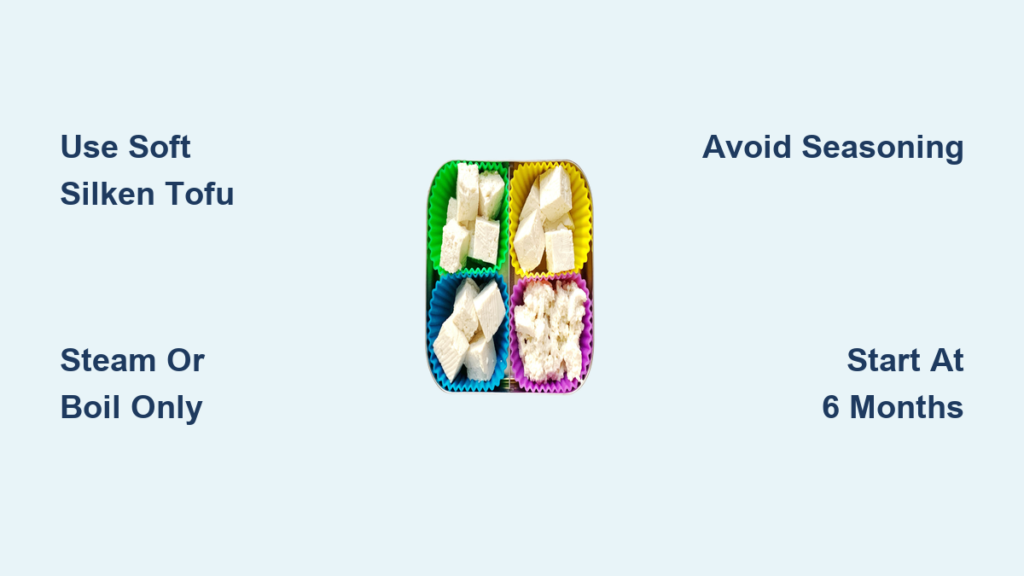
Introducing solid foods to your baby is a major milestone, and choosing nutritious, safe options is key. Tofu for baby is an excellent plant-based protein that supports growth, especially when introduced at the right age and prepared correctly. Packed with iron and gentle on tiny tummies, tofu can be a valuable part of your baby’s weaning journey. This guide walks you through every step—from selecting the right type to safe cooking methods and age-appropriate textures—so you can confidently serve tofu that’s both healthy and easy to eat.
You’ll learn how to steam or boil tofu for safety, avoid common mistakes like using firm varieties or adding seasoning, and mix it with favorite first foods like sweet potato or carrot. Whether you’re following a vegetarian diet or simply want to diversify your baby’s protein sources, this complete resource ensures your little one gets the benefits of tofu without the risks.
Choose Soft or Silken Tofu for Babies
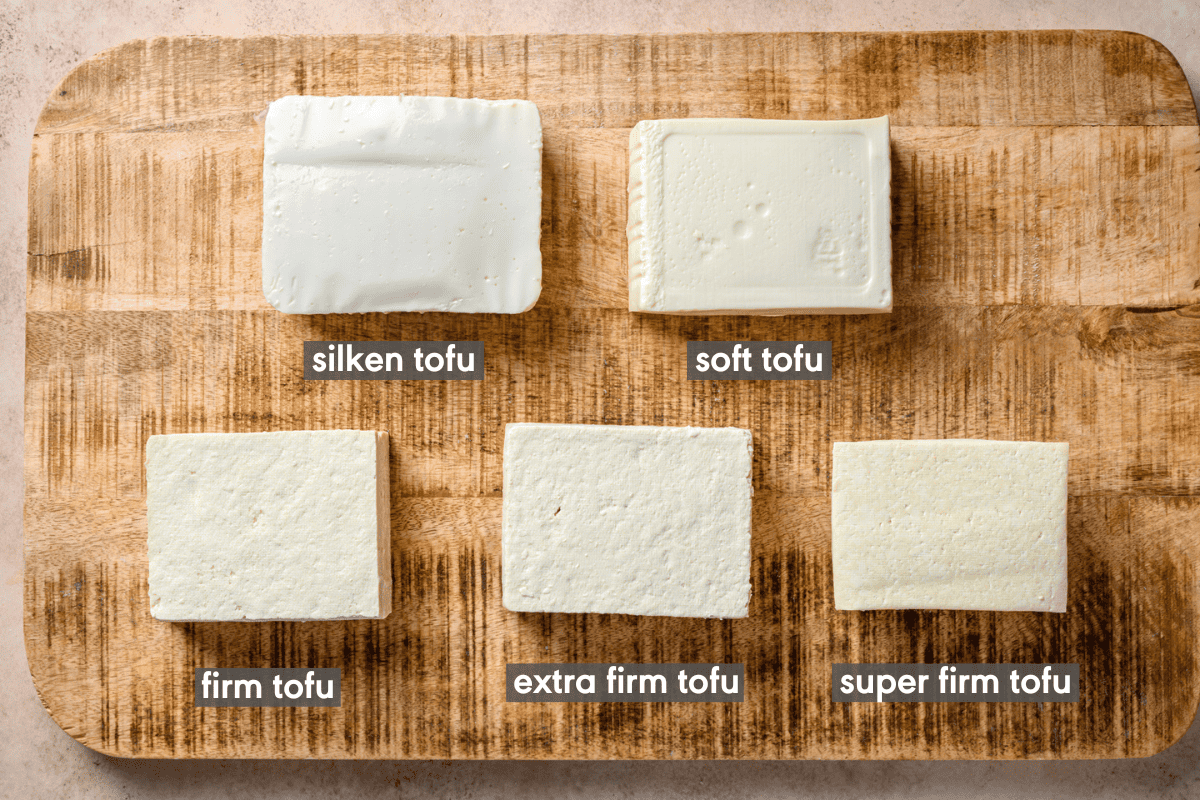
Why Soft and Silken Varieties Work Best
For babies just starting solids, soft or silken tofu is the ideal choice. These types have a smooth, custard-like texture that blends easily and doesn’t require heavy mashing. They’re perfect for infants beginning weaning at 6 months. Look for plain, unflavored packages in the refrigerated section and always check the expiration date before use.
Avoid Firm, Extra-Firm, and Flavored Tofu
Firm and extra-firm tofu are too dense for young babies unless thoroughly cooked and mashed into a completely smooth consistency. Their chewy texture can be hard to swallow and increases choking risk. Skip flavored, seasoned, or processed tofu—these often contain salt, sugar, soy sauce, or preservatives not safe for babies. Always choose plain, additive-free tofu.
Cook Tofu by Steaming or Boiling
Steam Tofu for a Gentle, Digestible Texture
Steaming is one of the safest ways to prepare tofu for baby. Place small cubes of soft tofu in a steamer basket over boiling water. Cover and steam for 5–10 minutes to soften it further, remove any raw taste, and improve digestibility. Once cooled, it’s ready to mash or blend into a smooth puree.
Boil as a Simple Alternative
Boiling works just as well. Add tofu pieces to a pot of gently boiling water and cook for 5–10 minutes. Drain and let cool completely before serving. This method keeps the tofu plain and safe—no oil, salt, or spices needed.
Never Fry or Add Seasoning
Do not fry tofu for babies. Frying adds unnecessary fats and creates a chewy or crispy texture that’s unsafe for young eaters. Never add salt, sugar, or spices—babies’ kidneys can’t process excess sodium, and strong flavors may overwhelm their sensitive taste buds. Keep it plain and natural.
Adjust Tofu Texture by Baby’s Age
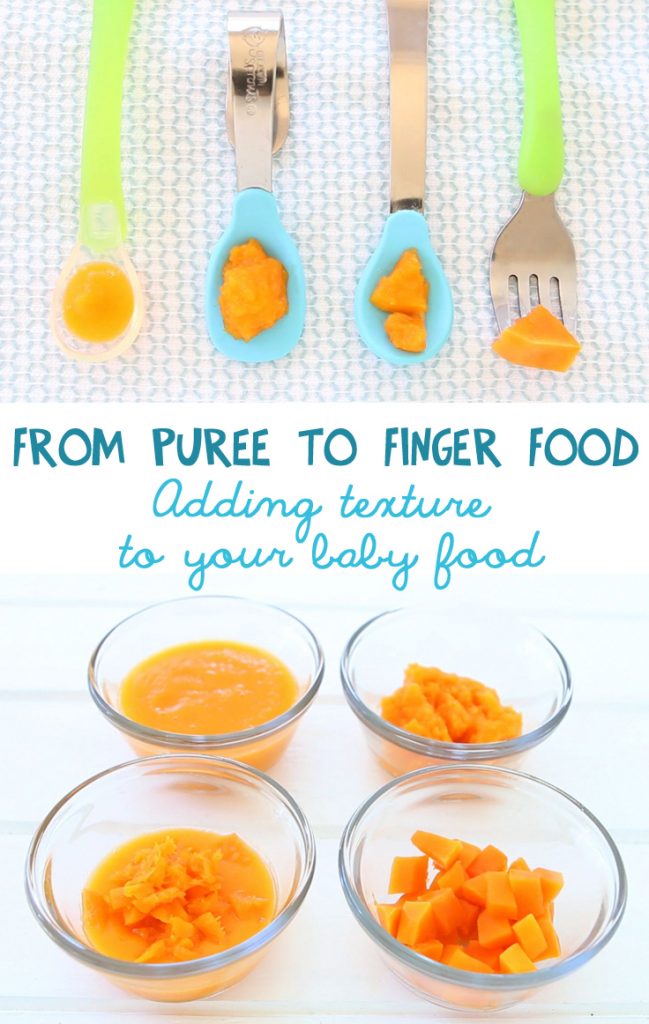
Puree for 6–8 Month Olds
For babies just starting solids, serve tofu as a completely smooth puree. Use a blender, food processor, or fork to mash steamed or boiled tofu until lump-free. Add a little breast milk, formula, or water to thin the consistency if needed. Serve it alone or mix with mild first foods like mashed sweet potato, carrot, or pumpkin.
Offer Soft, Bite-Sized Pieces at 9+ Months
Once your baby develops chewing skills (around 9 months), you can offer small, soft cubes of well-cooked tofu. Cut into pea-sized pieces and ensure they’re tender enough to squish between your fingers. This encourages self-feeding and helps build oral motor skills. Always supervise to prevent choking.
Mix Tofu with Baby-Friendly Foods

Blend with Mashed Vegetables for Added Nutrition
Tofu pairs well with many mild, nutrient-rich vegetables. Try mixing pureed tofu with:
– Mashed sweet potato
– Steamed carrot
– Cooked pumpkin
– Butternut squash
These combinations enhance flavor, color, and nutrition while maintaining a smooth, safe texture for young eaters.
Use Breast Milk or Formula to Improve Consistency
If the tofu seems too thick, thin it with a small amount of breast milk or formula. This not only improves texture but also makes the food more familiar and comforting for your baby. Avoid cow’s milk before 12 months unless approved by your pediatrician.
Prevent Choking and Allergic Reactions

Reduce Choking Risk with Proper Serving
Choking is a real concern when introducing new foods. To stay safe:
– Always serve tofu in age-appropriate textures.
– Avoid large chunks or rubbery pieces.
– Supervise every feeding—never leave your baby unattended while eating.
– Ensure your baby is seated upright during meals.
Introduce Tofu Alone Using the 3–5 Day Rule
Follow the 3–5 day rule when introducing tofu. Offer it alone for several days before combining with other new foods. This helps you identify any allergic reactions or digestive issues. While soy allergies are less common, they do occur—watch for symptoms like rash, vomiting, or diarrhea.
Monitor for Signs of Soy Allergy
Though tofu is generally safe, watch closely after the first few servings. Signs of a soy allergy may include:
– Hives or skin rash
– Swelling of lips or face
– Vomiting or diarrhea
– Difficulty breathing (seek emergency help immediately if this occurs)
If any reaction appears, stop feeding tofu and consult your pediatrician.
Maximize Iron and Protein Benefits
Support Growth with Plant-Based Protein
Tofu is a rich source of plant-based protein, essential for muscle development and overall growth. It’s especially valuable in vegetarian or vegan households where animal proteins are limited. One serving provides high-quality protein without saturated fat.
Boost Iron Intake with Vitamin C Pairings
Iron is crucial after 6 months when baby’s stores begin to deplete. Tofu is naturally iron-rich, helping support healthy blood and brain development. Pair it with vitamin C-rich foods like pureed bell pepper, tomato, or broccoli to enhance iron absorption.
Avoid Common Tofu Preparation Mistakes
Never Serve Raw or Undercooked Tofu
Even though tofu is technically edible raw, never serve it uncooked to babies. Steaming or boiling ensures it’s safer, softer, and easier to digest. It also reduces the risk of bacterial contamination.
Skip Store-Bought Flavored Tofu
Pre-marinated or seasoned tofu often contains soy sauce, salt, garlic, or sugar—all inappropriate for babies. Always choose plain tofu and prepare it yourself to control ingredients.
Don’t Mix Multiple New Foods at Once
Introducing tofu along with several new foods makes it hard to identify what caused a reaction. Stick to one new food every 3–5 days to keep things safe and simple.
Frequently Asked Questions About Preparing Tofu for Baby
Can I give tofu to my 6-month-old baby?
Yes, you can introduce tofu at 6 months when your baby starts solids. Use soft or silken tofu, steam or boil it, and serve it as a smooth puree. Always supervise and follow the one-new-food-at-a-time rule.
Is tofu a common allergen for babies?
Soy is a potential allergen, though less common than dairy, eggs, or nuts. Tofu is made from soybeans, so monitor your baby closely for signs of allergy like rash, vomiting, or swelling after the first few servings.
How should I store leftover tofu for baby?
Store cooked tofu in an airtight container in the refrigerator for up to 2 days. For longer storage, freeze pureed tofu in ice cube trays and thaw individual portions as needed. Never refreeze thawed tofu.
Can I mix tofu with fruit for my baby?
Yes, you can mix tofu with mild fruits like mashed banana, avocado, or pear. Avoid citrus or acidic fruits initially, as they may cause irritation. Always introduce one new ingredient at a time.
Is tofu a good source of iron for babies?
Yes, tofu is naturally rich in iron, making it a great choice during weaning when iron stores begin to drop. Pair it with vitamin C-rich foods to boost iron absorption.
Can I use firm tofu for baby if I cook it well?
Firm tofu can be used only if it’s thoroughly cooked and mashed into a completely smooth puree. For safety and ease, soft or silken tofu is recommended, especially for younger babies.
Key Takeaways for Safely Serving Tofu to Your Baby
Tofu is a nutritious, iron-rich, plant-based protein that supports your baby’s growth when introduced at 6 months. Use soft or silken tofu, cook it by steaming or boiling, and serve in an age-appropriate texture—pureed for younger babies, soft small pieces for older ones. Always avoid seasoning, frying, or using processed varieties.
Start with plain tofu, follow the 3–5 day rule, and watch for allergic reactions. Mix with vegetables or breast milk to enhance flavor and nutrition. By preparing tofu safely and simply, you’re giving your baby a healthy, developmentally supportive food that fits perfectly into a balanced weaning diet.





