
Introducing spinach to your baby’s diet is a powerful way to boost nutrition—this vibrant green is loaded with antioxidants, iron, and essential vitamins that support brain development and immunity. Knowing how to prepare spinach for baby safely is key, especially for infants starting solids at 6 months and older. Many parents worry about texture, allergens, or whether dairy affects nutrient absorption. The good news? With simple, science-backed steps, you can serve spinach that’s smooth, safe, and packed with bioavailable nutrients.
This guide walks you through two baby-friendly spinach preparations: a basic puree and a creamy ricotta version. You’ll learn how to blanch, blend, adjust texture, store properly, and avoid common mistakes like combining spinach with dairy at the wrong time. Whether you’re making single servings or batch-cooking for the week, these methods ensure your baby gets the full benefits of spinach—without compromising safety or flavor.
When to Introduce Spinach to Babies
Start at 6 Months with Other Solids
Spinach can be introduced when your baby begins solids—typically around 6 months of age. At this stage, their digestive system is ready for nutrient-dense foods. Spinach delivers iron and antioxidants, both crucial for early development.
Always introduce spinach after your baby has tolerated single-ingredient purees like sweet potato or carrot. This helps rule out sensitivities and reduces the risk of digestive upset.
Watch for Texture Readiness
For babies 6–8 months old, serve spinach as a smooth puree. As chewing skills develop (9+ months), you can offer mashed spinach or mix it into soft family meals. Avoid raw leaves or large pieces until your baby can chew well.
Choose the Best Spinach for Baby
Fresh vs. Frozen: What Works Best
Both fresh and frozen spinach are safe and nutritious for babies.
- Fresh spinach: Use organic baby spinach for tenderness. Wash thoroughly under cool running water to remove dirt and residues.
- Frozen spinach: Often pre-washed and convenient. The “organic frozen baby spinach” variety ensures consistent quality and texture.
Avoid canned spinach due to added sodium and preservatives.
Prep: Remove Stems and Wash Thoroughly
Always remove tough stems—they’re hard for babies to digest. Rinse leaves well or soak in a bowl to dislodge debris. Use a salad spinner or pat dry before cooking.
Use Safe, Nutrient-Preserving Cooking Methods
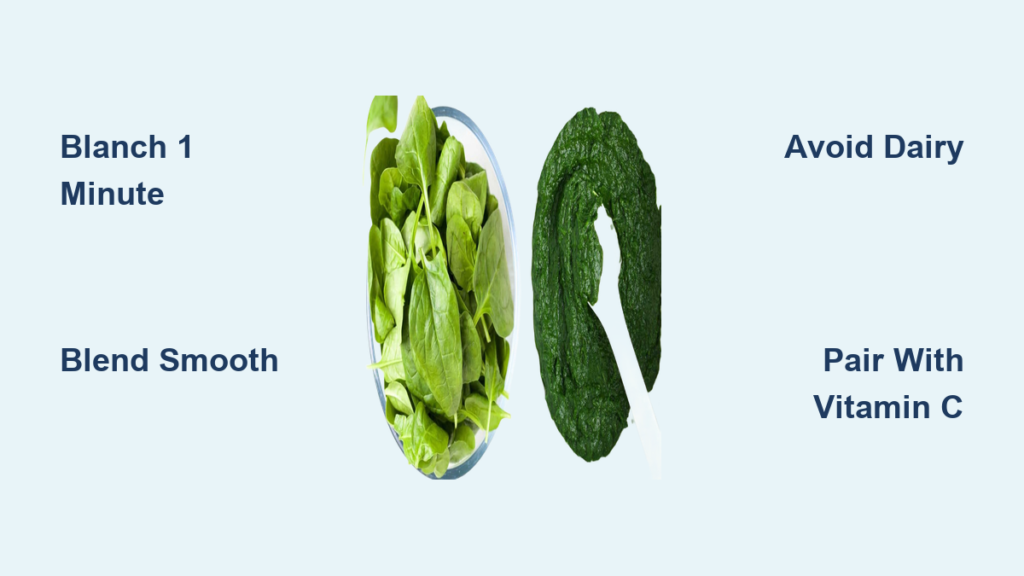
Blanch Fresh Spinach in 1 Minute
Blanching softens spinach while preserving nutrients and killing surface bacteria.
Steps:
1. Bring a small pot of water to a boil.
2. Add spinach and cook for 1 minute.
3. Drain and gently press out excess water.
This short cook time prevents nutrient loss and ensures a smooth blend.
Sauté Onions for Creamed Versions
When making baby-friendly creamed spinach, sauté chopped onions in 1 tbsp olive oil over medium-high heat for 8 minutes until soft. This builds flavor naturally—no salt or sugar needed.
Avoid browning or frying, which can make spinach bitter and reduce nutrient quality.
Make a Simple Spinach Puree for Beginners
Basic Recipe for 2 Servings
Ingredients:
– 3 cups (150g) fresh spinach leaves
– 1–2 tsp water or breast milk (optional, for thinning)
Steps:
1. Blanch spinach and drain.
2. Transfer to a blender.
3. Blend until completely smooth.
4. Add liquid only if needed.
This puree is allergen-free, vegan, and gluten-free—perfect for early feeding.
Adjust Texture by Age
- 6–8 months: Aim for a runny, silky texture—similar to heavy cream.
- 9–12 months: Thicker, like yogurt, to encourage self-feeding.
Use water, formula, or breast milk to thin. Avoid cow’s milk before 12 months.
Try Creamed Spinach for Older Babies (9+ Months)
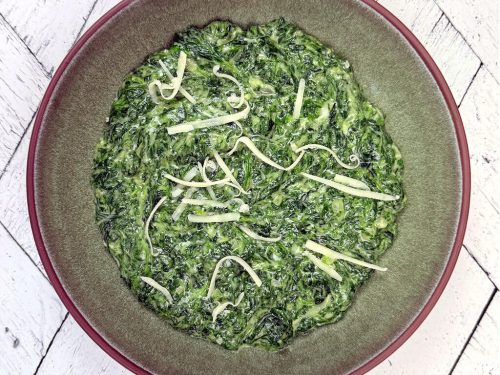
Ricotta-Based Version with Family Appeal
This creamy version adds protein and flavor but is best for babies 9 months and older due to dairy content.
Ingredients:
– 2 cups chopped white onion
– 1 tbsp olive oil
– 1 cup ricotta cheese
– ½ cup whole milk (if approved by pediatrician)
– 1 bag frozen baby spinach
– ¼ tsp nutmeg (optional)
– Salt and pepper to taste
– 1 cup parmesan cheese
Steps:
1. Sauté onions in olive oil until soft.
2. Stir in ricotta, milk, nutmeg, salt, and pepper. Heat until bubbling.
3. Add frozen spinach and stir until heated through.
4. Mix in parmesan until melted.
Adapt for Baby: Puree a Portion
Even if serving the family, blend a small portion of the creamed spinach until smooth for your baby. This allows shared meals with age-appropriate textures.
Maximize Iron Absorption from Spinach
Avoid Dairy at the Same Meal
Spinach is rich in iron—but calcium from dairy (ricotta, milk, parmesan) can block iron absorption.
Key Tip: Serve plain spinach puree separately from dairy meals. For example:
– Offer spinach at lunch with a vitamin C-rich food.
– Save creamed spinach for dinner.
Pair with Vitamin C for Better Iron Uptake
Boost iron absorption by serving spinach with vitamin C-rich foods:
– Mix with pureed bell peppers, strawberries, or oranges
– Serve alongside mashed sweet potato or avocado
This simple combo increases nutrient bioavailability.
Store Baby Spinach Puree Safely

Refrigerate or Freeze for Later
Proper storage keeps spinach fresh and safe.
| Method | Duration | Tips |
|---|---|---|
| Fridge (puree) | Up to 24 hours | Use airtight glass or BPA-free container |
| Freezer (puree) | Up to 2 months | Freeze in ice cube trays, then transfer to bags |
Label with date and contents.
Thaw and Reheat Correctly
- Thaw overnight in the fridge or use a warm water bath.
- Reheat gently on the stove or in the microwave (stir well, test temperature).
- Never reheat twice.
Creamed spinach (with dairy) should be refrigerated and used within 3–4 days.
Creative Ways to Serve Spinach to Babies
Mix with Other Veggies for Flavor Balance
Combine spinach puree with:
– Carrots for sweetness and beta-carotene
– Peas for protein and texture
– Sweet potato for creaminess and energy
Start with a 70:30 veggie-to-spinach ratio to ease flavor acceptance.
Use in Family Meals and Snacks
Spinach puree is versatile:
– Stir into pasta sauce for a hidden veggie boost
– Add to scrambled eggs or oatmeal
– Blend into smoothies (for older babies)
Make Healthy Spinach Pops
Freeze puree in popsicle molds for a teething-friendly treat. Mix with banana or apple puree for natural sweetness.
Know the Allergen Risks
Plain Puree Is Allergen-Free
The basic spinach puree contains no allergens and is safe for:
– Vegan and vegetarian diets
– Gluten-free and dairy-free lifestyles
Only add milk if your baby tolerates it.
Creamed Spinach Contains Dairy Allergens
This version includes ricotta, milk, and parmesan—common allergens.
- Not suitable for babies with milk allergy or lactose intolerance
- Introduce one dairy ingredient at a time if unsure
- Watch for symptoms: rash, vomiting, diarrhea, or gas
Always consult your pediatrician before introducing new allergens.
Use the Right Tools for Smooth Results
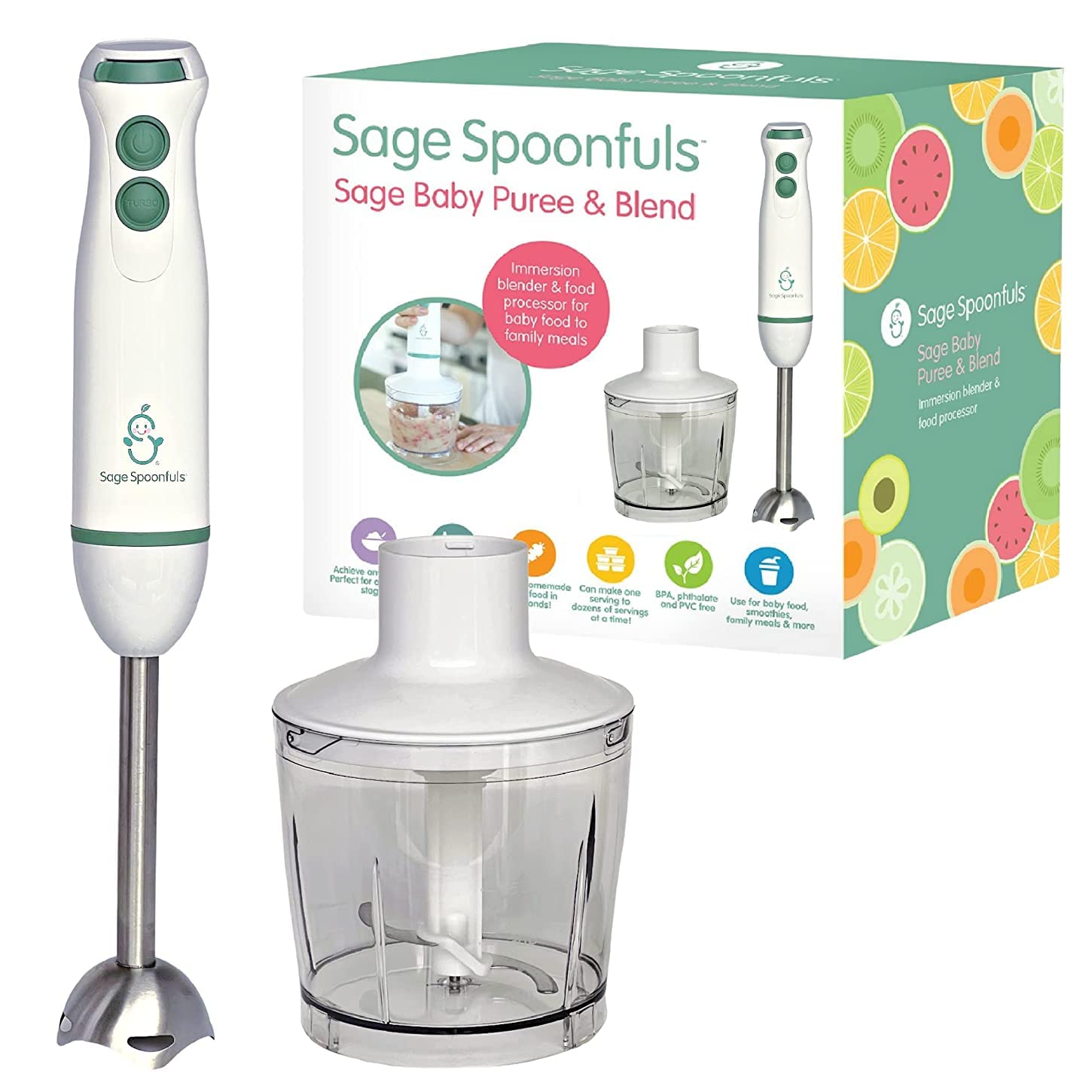
Essential Equipment List
For puree:
– Small saucepan
– Blender or immersion blender
– Strainer
– Measuring cups
– Knife and cutting board
For creamed spinach:
– Sauté pan
– Wooden spoon
– Oven-safe dish (if making dip)
– Broiler (optional)
A high-speed blender gives the smoothest texture for young babies.
Avoid Common Spinach Preparation Mistakes
Don’t Overcook the Spinach
Too much heat destroys nutrients. Stick to 1 minute of blanching—just enough to soften.
Never Add Salt or Sugar
Avoid salt, sugar, or strong spices in baby food. Their kidneys can’t handle excess sodium, and sweeteners encourage unhealthy taste preferences.
Progress Texture on Schedule
Don’t keep your baby on smooth purees too long. Around 9 months, gradually introduce soft lumps to support chewing and speech development.
Key Takeaways for Preparing Spinach for Baby
- Start at 6 months with smooth puree after other solids are tolerated.
- Blanch for 1 minute to preserve nutrients and ensure safety.
- Avoid dairy with spinach meals to maximize iron absorption.
- Pair with vitamin C-rich foods to boost iron uptake.
- Store puree in freezer cubes for quick, healthy meals.
- Adapt family recipes by pureeing a portion for baby.
Always introduce new foods in the morning to monitor for reactions. With these steps, you can confidently serve spinach that’s nutritious, safe, and baby-approved.
Frequently Asked Questions About Preparing Spinach for Baby
Can babies eat spinach at 6 months?
Yes, babies can eat spinach at 6 months as long as it’s well-cooked and blended into a smooth puree. Introduce it after your baby has tolerated other single-ingredient foods like carrot or sweet potato.
Does spinach cause allergies in babies?
Spinach is not a common allergen. The plain puree is free of major allergens and safe for vegan, vegetarian, and gluten-free diets. However, watch for digestive upset when first introducing.
Why shouldn’t I serve spinach with dairy?
Calcium in dairy (like ricotta or milk) can block iron absorption. Since spinach is valued for its iron, serve it separately from dairy meals—pair instead with vitamin C-rich foods.
Can I freeze homemade spinach puree?
Yes, freeze spinach puree in ice cube trays for up to 2 months. Once frozen, transfer cubes to labeled freezer bags. Thaw overnight in the fridge before use.
How do I make spinach taste better for my baby?
Mix spinach puree with sweeter vegetables like carrots, sweet potato, or peas. Start with a 70:30 ratio of veggie to spinach to help your baby accept the flavor.
Can I use frozen spinach for baby food?
Yes, organic frozen baby spinach is convenient and safe. It’s often pre-washed and retains nutrients well. Just thaw and heat through before blending.





