Nothing tests a new parent’s patience quite like a sudden spit-up stain on a freshly dressed baby—or a stubborn formula smear that survived the last wash. Baby clothes seem to attract messes like magnets, and with delicate skin in mind, you can’t just use any stain remover. The good news? Most stains can be tackled effectively using safe, simple methods that don’t involve harsh chemicals. The key is acting fast, using the right technique for the stain type, and avoiding common mistakes that set stains in permanently.
This guide gives you a clear, step-by-step approach to removing everything from greasy formula spills to dried milk and food stains—without damaging fabric or irritating your baby’s sensitive skin. You’ll learn exactly what to do immediately after a stain occurs, which natural household products work best, and how to wash and dry baby clothes safely. Whether you’re dealing with a fresh mess or an old, set-in stain, these proven methods will help keep your little one’s wardrobe clean, soft, and safe.
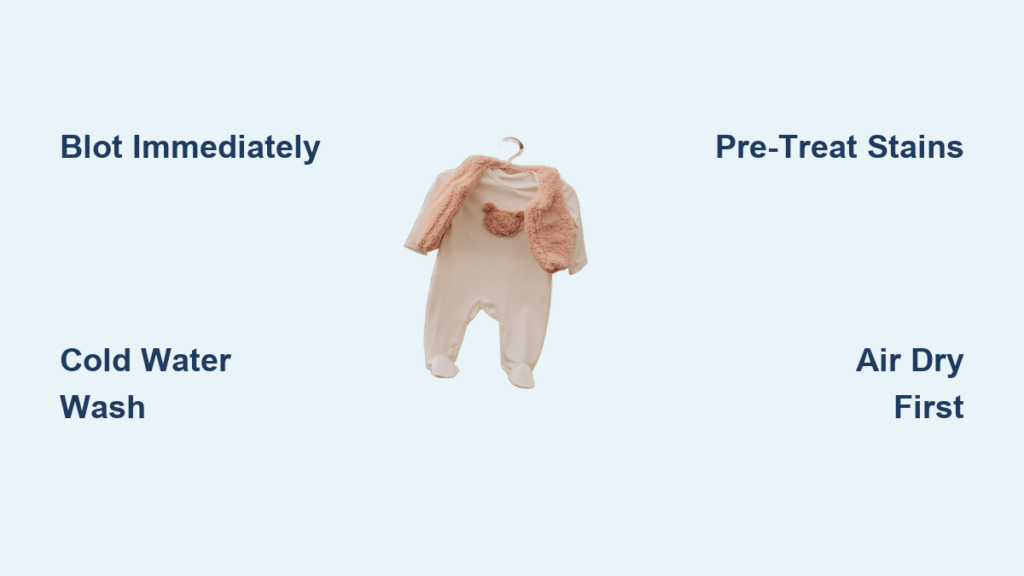
Blot Stains Immediately to Prevent Setting
Use a Damp Cloth to Lift Fresh Spills
As soon as a spill happens, grab a clean, damp cloth and blot the stain gently. Do not rub—it pushes the substance deeper into the fibers. Press down and lift repeatedly to absorb as much as possible. The faster you act, the better your chances of complete removal.
Keep the Stain Wet Until Washing
Never let a stain dry untreated. Moisture helps loosen residues from fabric. If laundry isn’t immediate, rinse the area under cold water and store the garment in a wet bag or sealed container to prevent drying.
Always Pre-Treat Before Washing
Even if the stain looks gone, invisible proteins or oils may remain. Pre-treating ensures deeper cleaning and prevents reappearing stains after drying. A quick pre-treatment step saves time and rewashes later.
Wash Baby Clothes in Cold Water Only
Hot Water Sets Milk and Formula Stains
Heat causes proteins to bind permanently to fabric fibers. Using warm or hot water on spit-up, milk, or blood stains will lock them in. Always use cold water for both rinsing and washing to keep stains soluble and removable.
Rinse Under Cold Running Water First
Before tossing clothes in the washer, flush the stain under cold running water. This helps push the residue out of the fabric instead of spreading it. Continue until the water runs clear.
Cold Water Protects Fabric and Skin
Cold water prevents shrinkage, preserves fabric softness, and reduces the risk of skin irritation. It’s gentle on cotton and safe for delicate knits—ideal for newborn and infant clothing.
Choose Safe, Non-Toxic Cleaning Products
Use Hypoallergenic, Fragrance-Free Detergent
Select a detergent labeled “for sensitive skin” or “baby-safe” that is free of dyes, perfumes, and optical brighteners. These additives can trigger rashes or eczema flare-ups in babies with sensitive skin.
Avoid Fabric Softeners and Dryer Sheets
These leave behind chemical residues that irritate skin and reduce absorbency in onesies and cloth diapers. Skip them entirely—softness comes from proper washing, not synthetic coatings.
Never Use Bleach on Baby Outfits
Bleach weakens fibers and causes skin irritation. Even oxygen-based bleaches aren’t necessary when natural alternatives like vinegar and sunlight work just as well without the risks.
Test Stain Treatments on Hidden Areas First
Check Inside Seams for Reactions
Before applying any solution, test it on an inside seam or hem. This reveals whether the treatment causes fading, discoloration, or texture changes—especially important for colored or delicate fabrics.
Wait 10–15 Minutes Before Full Application
After testing, wait to ensure no adverse effects appear. If the fabric remains unchanged, proceed confidently. This small step prevents ruined outfits and wasted effort.
Remove Greasy Formula and Food Stains
Apply Fragrance-Free Dish Soap Directly
For oily stains like formula, baby food, or butter, use a drop of gentle dish soap (like Dawn or a baby-safe brand). Gently massage it into the stain—dish soap breaks down grease effectively.
Let It Sit for 5–10 Minutes
Allow time for the soap to penetrate and emulsify oils. Don’t let it dry—keep the area slightly damp during this period for best results.
Rinse Thoroughly and Wash Normally
Rinse under cold water until all soap is gone. Residual soap can attract dirt. Then wash in cold water with baby-safe detergent. Check the stain before drying.
Treat Dried Milk and Puree Stains Effectively

Make a Baking Soda Paste
Mix baking soda and water into a thick paste. It acts as a mild abrasive and odor neutralizer, perfect for dried-on milk, cereal, or fruit purees.
Apply and Let Sit 15–30 Minutes
Spread the paste over the stain and let it work. For older stains, extend the time. Spritz with water if it starts to dry out.
Gently Scrub and Rinse Well
Use a soft brush or cloth to lightly agitate the area. Avoid aggressive scrubbing. Rinse completely with cold water, then wash as usual.
Soak Stubborn and Odorous Stains
Use a Vinegar-Water Soak
For set-in stains or lingering smells, soak in equal parts white vinegar and water for 30 minutes. Vinegar dissolves residue and neutralizes odors naturally.
Add Vinegar to the Wash Cycle
Boost cleaning power by adding ½ cup of distilled white vinegar to the rinse cycle. It removes detergent buildup, softens clothes, and enhances stain removal—no extra rinse needed.
Safe for Cotton, Avoid on Silk and Wool
Vinegar is gentle on most baby-safe fabrics when diluted. Always check care labels—avoid use on silk or wool unless specified.
Naturally Lighten Stains on White Baby Clothes

Use Lemon Juice and Sunlight
For white or very light garments, apply fresh lemon juice to the stain and place in direct sunlight for 30–60 minutes. Citric acid and UV rays naturally bleach stains.
Never Use on Colored Fabrics
Lemon juice causes permanent fading—avoid it on anything but whites. Even light pastels may discolor. Always test first.
Rinse After Sun Exposure
Once done, rinse thoroughly with cold water to remove citrus residue. Then wash normally. This method also disinfects and brightens dingy whites.
Wash and Dry Baby Clothes the Right Way
Wash Separately in Cold Water
Always separate baby clothes from adult laundry. Adult detergents and fragrances can transfer and irritate sensitive skin.
Use Baby-Safe Detergent Every Time
Stick to fragrance-free, dye-free formulas certified as hypoallergenic or pediatrician-tested. Even “mild” adult detergents may contain hidden irritants.
Air Dry First to Prevent Set-In Stains
Never machine dry a stained garment—heat locks in residues permanently. Air dry flat or hang first, then inspect. Re-treat if needed.
Machine Dry Only When Stain-Free
Once the stain is gone, machine drying is safe. Air drying remains the gentlest option, especially for delicate knits.
Handle Second-Hand Clothes Safely
Inspect for Choking Hazards
Check gifted or hand-me-down clothes for loose buttons, frayed threads, or small parts that could pose a choking risk. Also look for rips, stains, or worn seams.
Wash Before First Use
Always wash second-hand clothes before wearing, even if they look clean. They may carry dust, allergens, or detergent residues from previous use.
Sort and Store in Breathable Containers
Organize by size, type, and fabric using labeled bins. Store in a cool, dry place with canvas or fabric bins—never plastic bags, which trap moisture and cause mildew.
Know Fabric-Specific Cleaning Tips
Stick to Cotton for Easy Care
Cotton is ideal—soft, breathable, durable, and responds well to natural treatments. It withstands frequent washing better than synthetics.
Treat Delicates with Care
For blended or delicate fabrics, use soft brushes and minimal agitation. Follow care labels closely and avoid prolonged soaking.
Always Check Care Labels
Symbols matter. Some fabrics require hand washing or special handling. When in doubt, choose the gentlest method to preserve clothing.
Avoid Common Stain Removal Mistakes
Never Use Hot Water on Protein Stains
This bears repeating: hot water sets milk, formula, and blood stains. Always use cold—no exceptions.
Skip the Dryer Until Stain Is Gone
Heat permanently sets stains. Air drying gives you a chance to re-treat if needed. Skipping this step risks making the stain irreversible.
Don’t Mix Vinegar and Baking Soda on Fabric
Combining them directly creates a foaming reaction that can push stains deeper. Use them in separate steps if needed—never at the same time.
Follow the Complete Stain Removal Process

Step 1: Blot Immediately
Grab a clean cloth and blot—don’t rub. Work fast to remove as much of the spill as possible before it dries.
Step 2: Identify the Stain Type
Is it greasy? Protein-based? Dried food? Knowing the type ensures you pick the right treatment.
Step 3: Pre-Treat Accordingly
Use dish soap for oil, baking soda paste for food, vinegar for set-in stains, or lemon + sun for whites.
Step 4: Rinse Thoroughly
Remove all treatment residue with cold water. Leftover paste or soap can attract more dirt.
Step 5: Wash in Cold Water
Use baby-safe detergent. Add ½ cup vinegar to the cycle for extra cleaning power.
Step 6: Air Dry and Inspect
Hang or lay flat to dry. Check closely—re-treat if any stain remains.
Step 7: Machine Dry Only When Clean
Once stain-free, it’s safe to tumble dry. Otherwise, repeat the process.
Troubleshoot Tough or Repeated Stains
Repeat Treatment if Stain Persists
Some stains need multiple rounds of pre-treatment and washing. Be patient—especially with older, set-in stains.
Combine Methods Carefully
For stubborn stains, try dish soap first, then a vinegar soak. Rinse thoroughly between steps to avoid chemical reactions.
Accept That Some Stains May Remain
Not every stain comes out completely—especially on older garments. Focus on hygiene and safety; minor discoloration is often harmless.
Store Baby Clothes to Prevent Future Stains
Keep in a Cool, Dry Place
Moisture leads to mildew and yellowing. Store clothes in a dry, ventilated area away from humidity.
Use Breathable Storage
Opt for canvas bins, wooden drawers, or fabric bags. Avoid plastic—trapped moisture causes odors and stains over time.
Preserve Keepsakes Properly
For sentimental items, wash thoroughly and store in acid-free boxes or cotton garment bags. Keep out of direct sunlight to prevent fading.
Frequently Asked Questions About Removing Stains from Baby Clothes
Can I use regular detergent on baby clothes?
No. Regular detergents often contain fragrances, dyes, and harsh chemicals that can irritate your baby’s sensitive skin. Always use a fragrance-free, dye-free, hypoallergenic detergent labeled for babies or sensitive skin.
Why shouldn’t I use hot water on baby stains?
Hot water coagulates proteins in milk, formula, and blood, causing them to bond permanently to fabric. Always use cold water to safely lift these stains.
Is vinegar safe for baby clothes?
Yes, distilled white vinegar is safe when diluted. It removes odors, softens fabric, and helps lift stains. Use ½ cup in the rinse cycle—no need to rinse again.
Can I use lemon juice on colored baby clothes?
No. Lemon juice can permanently fade colors. Only use it on white or very light-colored garments, and always test on a hidden area first.
Should I air dry all baby clothes?
Air drying is safest, especially for stained items. Heat from the dryer can set stains permanently. Only machine dry once you’ve confirmed the stain is gone.
How do I remove old, set-in stains from baby clothes?
Soak the garment in equal parts white vinegar and water for 30 minutes, then treat with baking soda paste if needed. Wash in cold water and air dry. Repeat if necessary.
Key Takeaways for Keeping Baby Clothes Stain-Free
Most baby stains can be removed safely using cold water, natural treatments, and prompt action. Blot spills immediately, pre-treat based on stain type, and always wash in cold. Avoid bleach, fabric softeners, and hot water to protect both fabric and skin. Air dry first to check results—this simple step prevents permanent set-in stains.
By following this routine, you’ll keep your baby’s clothes clean, soft, and irritation-free. Stick to gentle, tested methods, and don’t stress over minor discoloration. Focus on hygiene, safety, and comfort—your baby will thank you.