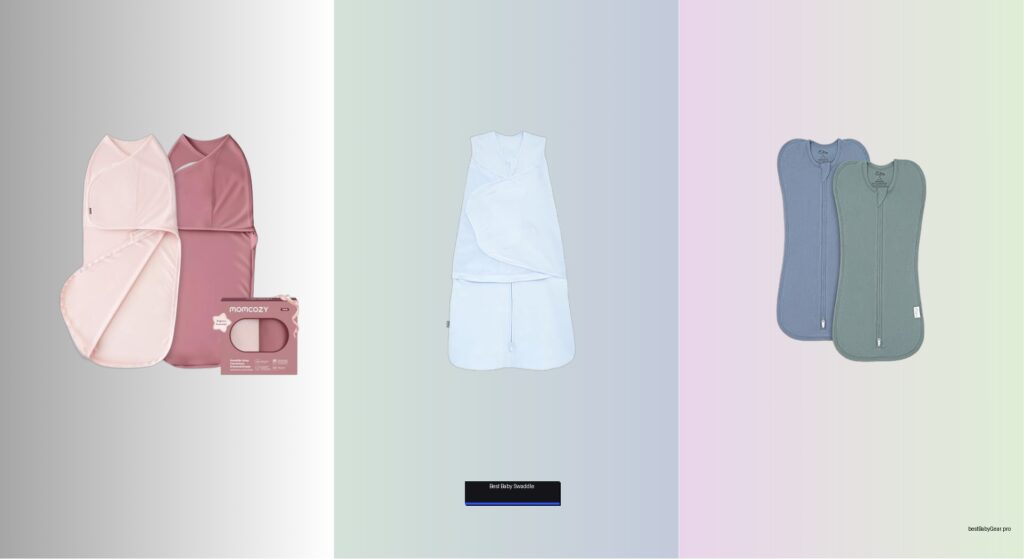
Choosing how to dress baby for bed can feel overwhelming—especially with conflicting advice and the fear of overheating or chilling your little one. But getting it right is crucial for safe, restful sleep. The key is balancing warmth, safety, and your baby’s individual needs. Overheating increases the risk of SIDS (Sudden Infant Death Syndrome), while being too cold can disrupt sleep and comfort. This guide cuts through the confusion with clear, science-backed steps to help you confidently dress your baby for bed—no guesswork needed.
Start with one core rule: dress your baby in one more layer than you’re wearing. That simple guideline adapts to seasons, room temperatures, and your baby’s unique tendencies. Pair this with safe sleep practices—like using a sleep sack instead of loose blankets—and you’re already ahead. We’ll walk you through fabric choices, seasonal adjustments, and how to read your baby’s cues so you can find their “happy place” for sleep. Whether it’s summer heat or winter chill, you’ll know exactly what to do.
Follow the One More Layer Rule
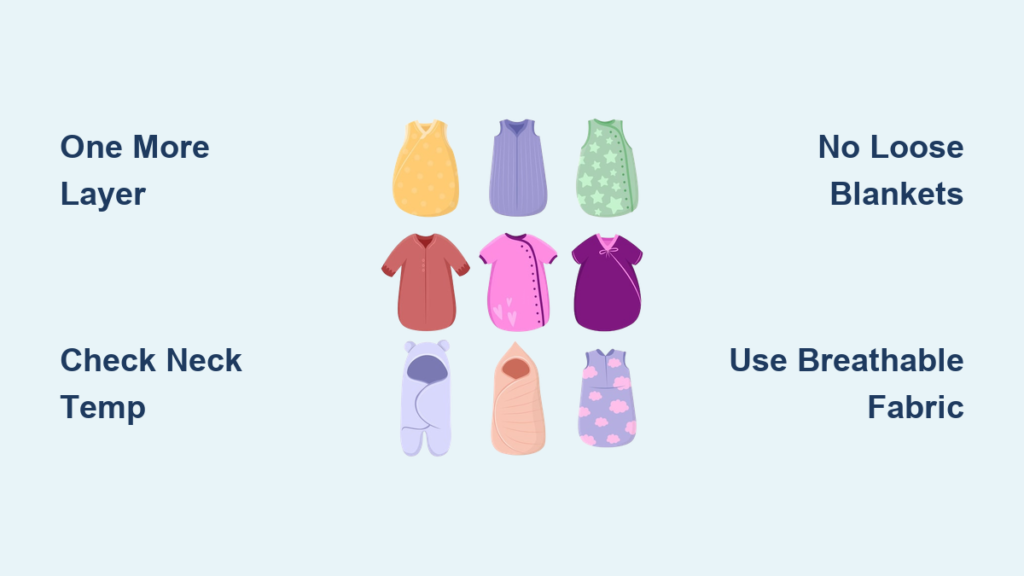
This is your go-to starting point for dressing baby for bed. If you’re in a T-shirt, your baby should have that plus one extra layer—like a onesie or sleep sack. If you’re in a sweater, they may need a sleeper under their sleep sack. It’s not about matching the thermostat exactly; it’s about matching your comfort level as a parent.
Why This Rule Works
The “one more layer” principle accounts for babies’ immature temperature regulation. They can’t shiver or sweat as effectively as adults, so they rely on clothing and environment to stay balanced. By using your own comfort as a baseline, you create a natural buffer that prevents both overheating and chills. It’s flexible across climates and seasons, making it ideal for real-world parenting.
Adjust for Activity and Environment
If you’ve just bathed your baby or they’re fighting sleep, they might feel warmer temporarily. Wait 15–20 minutes after bedtime routines before checking their temperature. Also, consider airflow: a fan or open window changes how layers perform. Always recheck after baby falls asleep—don’t rely on how they feel during play or feeding.
Use Sleep Sacks Instead of Loose Blankets

Loose blankets are a major SIDS risk. They can shift over your baby’s face or become entangled during sleep. The safest alternative is a wearable blanket or sleep sack, which keeps your baby warm without the danger.
Choose the Right Sleep Sack Fit
Pick a sleep sack with snug armholes and a secure neck opening—snug enough to stay in place but not too tight. Never choose one with a hood, which can obstruct breathing. Ensure hips have room to move freely to support healthy hip development.
Woolino 4-Season Sleep Sack Benefits
The Woolino sleep sack uses merino wool to naturally regulate temperature—warming when cool, cooling when hot. It comes with a detailed layering guide based on room temperature, so you always know what to wear underneath. One sack replaces multiple seasonal options, making it a cost-effective, year-round solution.
Lightweight Sleep Sacks for Summer
In hot weather, opt for a breathable cotton or bamboo sleep sack with no layers underneath. These protect delicate skin from direct fan airflow while minimizing overheating risk. Some babies do fine in just a diaper—more on that below.
Check Baby’s Temperature the Right Way
Feeling your baby’s hands or feet? Stop. These areas are often cool due to immature circulation and don’t reflect core body temperature.
Feel the Back or Neck for Accuracy
Place your hand on your baby’s upper back or the back of their neck. That’s the best indicator of whether they’re too hot or too cold.
- Warm and dry = just right
- Sweaty or damp = too warm—remove a layer next time
- Cool to the touch = may need an extra layer
Do this check after baby has been asleep for 10–15 minutes. Their body temp stabilizes once settled.
Watch for Behavioral Cues
Babies tell you how they feel—if you know what to look for.
- Too hot: Fussiness, flushed face, sweating, frequent waking, kicking off covers
- Too cold: Curling into a tight ball, cold neck/back, whimpering
One baby might sleep fine in a diaper at 70°F (21°C), while another needs a onesie, sleeper, and swaddle at the same temperature. Individual variation is normal.
Maintain a Safe Room Temperature

Aim for 60–68°F (16–20°C). This range supports deep, restful sleep and reduces SIDS risk.
Use a Digital Room Thermometer
Don’t guess. Place a thermometer near the crib—away from sunlight or vents. Check it at bedtime and during night feeds to stay consistent.
Adjust for Extreme Temperatures
- Above 71°F (22°C): Start with a long sleeve onesie under a sleep sack. If baby sweats, switch to short sleeve or just a diaper.
- Below 60°F (16°C): Add a footed sleeper under the sleep sack. Consider a hat only if medically advised (e.g., preemie).
- With a fan: Use a light sleep sack with no layers. Never aim the fan directly at the crib.
Pick the Best Fabrics for Sleep

Material matters. The wrong fabric can trap heat and moisture, leading to discomfort and overheating.
Choose Cotton for Breathability
Soft, breathable cotton allows air circulation and wicks moisture. It’s gentle on sensitive skin and widely available.
Recommended: Gap “Baby First Favourites” Bodysuits
These long or short sleeve onesies are made from high-quality cotton, stretchy for comfort, and easy to layer. They’re a reliable base for any sleep outfit.
Avoid Synthetic Fabrics
Polyester and other synthetics trap heat and don’t breathe well. Even if labeled “moisture-wicking,” they’re not ideal for overnight infant wear.
Try Merino Wool for Natural Regulation
Merino wool (like in Woolino products) regulates temperature better than any fabric. It keeps baby warm in winter and cool in summer. Hypoallergenic and odor-resistant, it’s perfect for sensitive skin.
Dress Baby for Summer Heat Safely
Hot weather increases overheating risk, a known SIDS factor. Smart layering is essential.
Start with a Long Sleeve Onesie
Even in summer, begin with a long sleeve cotton onesie under a sleep sack. It protects skin and provides a base for adjustment.
When Diaper-Only Is Safe
If the room is above 75°F (24°C) and there’s no fan or AC, sleeping in just a diaper is safe and often necessary. Many babies regulate better with minimal clothing.
Monitor for Sweating
Check the back of the neck. If it’s damp, baby is too hot. Remove layers the next night. Overheated babies toss, turn, and wake frequently.
Use a Fan with a Light Sleep Sack
If a fan circulates air in the room, use a lightweight sleep sack with no layers underneath. This prevents direct airflow on baby while maintaining safety. Never let the fan blow directly on the crib.
Dress Baby for Cooler Weather Without Overheating
Cold rooms don’t mean piling on layers. Layer wisely to avoid overheating.
Combine Sleep Sack with Under-Layers
Start with a long sleeve onesie, add a footed sleeper, then zip into the sleep sack. This creates adjustable warmth without loose fabric.
Swaddle Newborns Under the Sleep Sack
For babies under 8 weeks who aren’t rolling, a swaddle over the onesie (but under the sleep sack) adds warmth. Stop swaddling once baby shows signs of rolling.
Skip the Indoor Hat
Healthy full-term babies don’t need hats indoors. They can overheat quickly. Reserve hats for outdoor use only.
Avoid These Common Dressing Mistakes
Even well-meaning parents make errors that compromise safety or comfort.
Don’t Over-Bundle
More layers ≠ better. Over-bundling leads to overheating, a known SIDS risk. Stick to the one-more-layer rule and check the neck.
Never Use Loose Blankets
No matter the season, loose blankets are unsafe. They can shift over the face or entangle limbs. Always choose a sleep sack or wearable blanket.
Don’t Trust Hands and Feet
Cold hands and feet are normal in babies. They don’t mean baby is cold. Always check the back or neck instead.
Don’t Assume All Babies Are the Same
One baby may sleep in a diaper at 70°F, another needs three layers. Genetics, metabolism, and even time of day affect temperature needs. Trust your baby’s cues, not comparisons.
Find Your Baby’s Sleep “Happy Place”
There’s no universal formula. The goal is finding your baby’s “happy place”—where they sleep soundly without sweating or shivering.
Try, Observe, Adjust
Start with a reasonable layer (e.g., long sleeve onesie + sleep sack at 71°F+). After baby falls asleep, check their back or neck.
– Too warm? Try short sleeve or remove a layer tomorrow.
– Too cool? Add a sleeper or switch to a warmer sleep sack.
Adjust one thing at a time so you can track what works.
Real-World Examples
- Baby A: At 70°F, sleeps in just a diaper—still sweaty in a onesie.
- Baby B: At same temperature, needs onesie, sleeper, and swaddle to stay warm.
Both are normal. Parenting is about observation, not imitation.
Use This Quick Dressing Decision Guide

Keep this simple chart handy for bedtime decisions:
| Room Temp | Starting Outfit | Adjust If… |
|---|---|---|
| 60–68°F (16–20°C) | Onesie + sleep sack | Neck cool? Add sleeper. Neck sweaty? Try lighter fabric. |
| 70°F (21°C) | Depends on baby—diaper to 3 layers | Check cues. One size doesn’t fit all. |
| 71°F+ (22°C+) | Long sleeve onesie + sleep sack | Sweaty? Switch to short sleeve or diaper-only. |
| Very hot, no fan | Diaper-only okay | Watch for sweating. |
| Very hot, with fan | Light sleep sack, no layers | Fan blocks airflow; prevents chill. |
Key Takeaways for Dressing Baby for Bed
Dressing your baby for bed safely comes down to three things: follow the one-more-layer rule, use a sleep sack instead of blankets, and check the back or neck—not hands or feet. Room temperature should be 60–68°F, but individual needs vary. Start with a cotton onesie and adjust based on your baby’s cues. Whether it’s summer or winter, safety and comfort go hand in hand. With these steps, you’ll create a safe, cozy sleep environment that supports healthy development and peaceful nights for everyone.
Frequently Asked Questions About How to Dress Baby for Bed
Should I dress my baby in a hat for sleep?
No, healthy full-term babies should not wear hats indoors during sleep. Hats can cause overheating. Use them only when going outside in cold weather.
Can my baby sleep in just a diaper?
Yes, in warm rooms (above 75°F / 24°C), sleeping in just a diaper is safe and often necessary. Always check the back or neck for sweating to ensure they’re not overheating.
How do I know if my baby is too hot at night?
Signs include sweating at the neck or back, flushed cheeks, rapid breathing, and restless sleep. If you notice these, remove one layer the next night.
Is it safe to use a fan in my baby’s room?
Yes, using a fan improves air circulation and can reduce SIDS risk by 72%, according to some studies. Just ensure it doesn’t blow directly on the baby.
What’s the best sleep sack for all seasons?
The Woolino 4-season sleep sack is designed to work year-round. Its merino wool blend naturally regulates temperature and comes with a detailed layering guide.
Do I need different pajamas for summer and winter?
Not necessarily. With a sleep sack and adjustable layers (like onesies and sleepers), you can adapt to any season. Focus on breathable fabrics and your baby’s cues.